
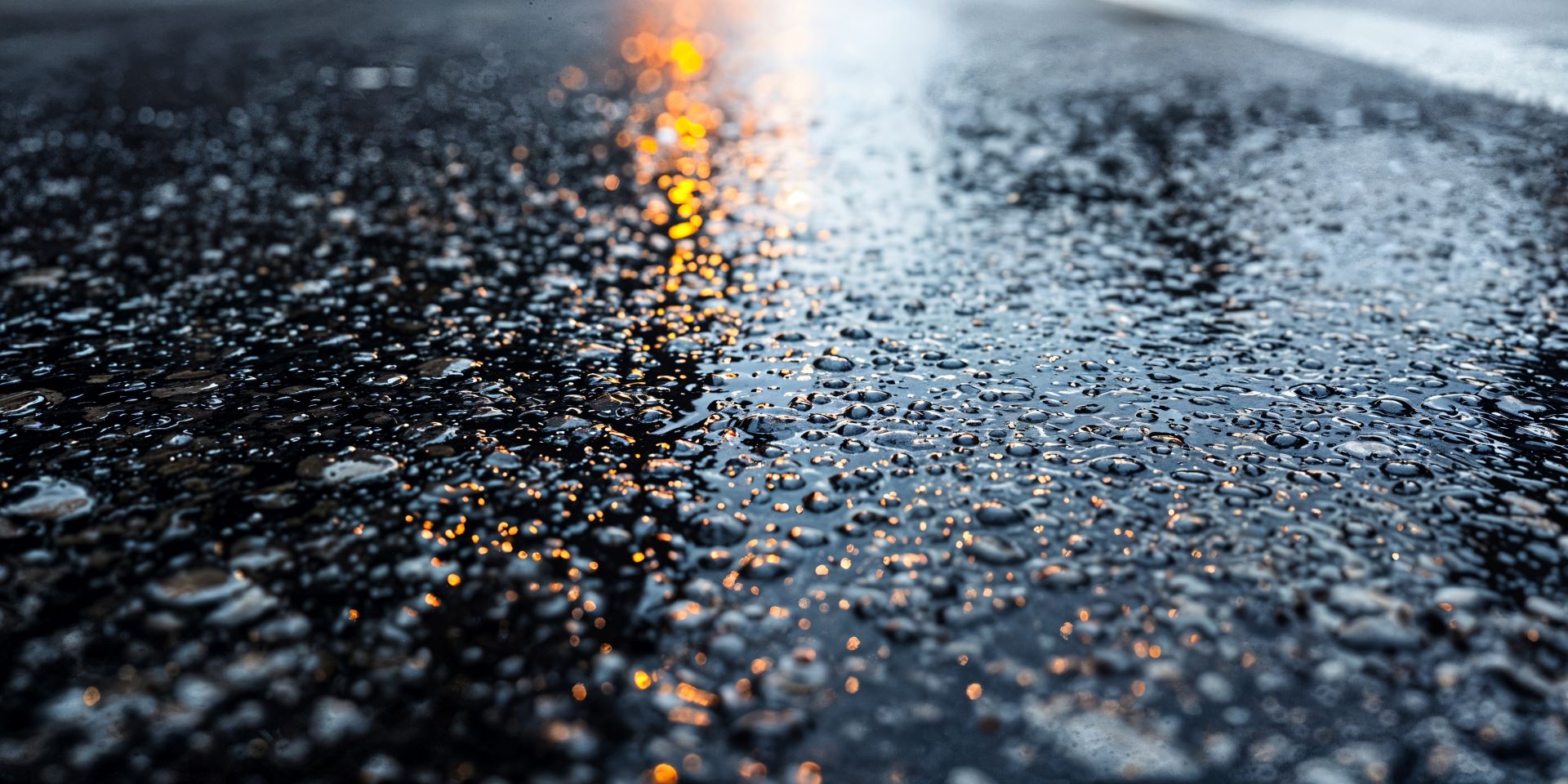
Why Buildings Need Waterproofing in Rainy Seasons
Water is patient. It does not rush its destruction, nor does it announce its intentions with dramatic noise. Instead, it works quietly, infiltrating concrete pores, slipping through hairline cracks, and slowly transforming strong structural elements into weakened shells of their former selves. In regions where seasonal rainfall is significant, moisture control becomes one of the most important priorities in building construction and maintenance.
In South Africa, rainfall patterns vary dramatically across provinces. Coastal regions experience persistent humidity and wind-driven rain, while inland urban centres may encounter intense but shorter storm bursts that create sudden water pressure against structures. These climatic characteristics mean that waterproofing cannot be treated as an optional finishing touch. It must be treated as an integral layer of building design and maintenance planning.
The biggest danger is not the rain you see falling outside, but the water that finds its way inside. Once moisture enters structural cavities, it begins triggering a chain reaction. Steel reinforcement can corrode, timber elements may warp or rot, and concrete can suffer micro-fracturing as trapped moisture expands and contracts under temperature variation.
Many property owners assume that concrete is naturally waterproof because it appears solid and durable. This is a comfortable but misleading assumption. Concrete is more like a tightly compressed sponge than an impermeable stone. Without proper treatment, it will absorb moisture slowly over time, allowing dampness to migrate across walls, ceilings, and structural joints.
Waterproofing is therefore not merely about keeping buildings dry. It is about preserving structural integrity, maintaining indoor environmental quality, and protecting property value in the long term.
##Rainfall Exposure and Building Vulnerability in South African Climate Zones
Buildings in different parts of the country experience rain stress in different ways. Coastal cities often face salt-laden moisture carried by ocean winds, which accelerates corrosion in metal components. Inland regions may experience violent summer thunderstorms that deposit large volumes of water in short periods, placing sudden pressure on drainage systems.
Roofs usually bear the greatest burden because they are the primary shield against direct rainfall. However, walls and balconies also serve as important secondary defence layers. When any of these components fail, moisture can migrate horizontally or vertically through capillary action.
Temperature variation also plays a role in moisture damage. During warm daylight hours, building surfaces expand slightly. When night temperatures drop, contraction occurs. Repeated cycles of expansion and contraction create microscopic cracks through which water can penetrate. Over months and years, these microfractures become highways for dampness.
For construction professionals working in maintenance or new development projects, understanding local weather data is just as important as selecting the right building materials. Waterproofing design should be matched to rainfall intensity, wind direction, and building exposure level.
Water as the Primary Enemy of Structural Longevity
Construction engineering often treats load stress as the primary risk factor. However, moisture damage is equally destructive but far less visible during early stages.
Water affects buildings through several mechanisms.
First is chemical corrosion. When moisture reaches reinforcement steel inside concrete structures, oxidation begins. Rust occupies more volume than the original metal, forcing surrounding concrete to crack under internal pressure.
Second is biological growth. Damp surfaces create ideal conditions for mould and fungal colonisation. Apart from aesthetic degradation, these organisms can release spores that affect indoor air quality and occupant health.
Third is material weakening. Timber components exposed to continuous dampness lose structural stiffness. Gypsum-based interior finishes can disintegrate if water is allowed to saturate them repeatedly.
Fourth is insulation failure. Thermal insulation materials lose performance when moisture replaces trapped air pockets. This leads to higher energy consumption as heating or cooling systems compensate for lost efficiency.
The most difficult aspect of water damage is its silent progression. Property owners may only notice problems when paint starts bubbling, plaster begins peeling, or unpleasant odours emerge inside rooms.
At that stage, repair costs are significantly higher than preventive waterproofing installation would have been.
Roof Waterproofing Methods for South African Buildings
The roof is the first line of defence against seasonal rainfall. Effective roof waterproofing design depends on material selection, slope management, and membrane installation quality.
Flat roofs are particularly vulnerable because water tends to pool if drainage gradients are not correctly engineered. Even a small depression on a roof surface can become a permanent pond after rainfall.
Modern roofing systems often rely on multi-layer protection approaches.
• Bituminous membranes remain popular due to their flexibility and durability under temperature fluctuation. • Liquid-applied elastomeric coatings create seamless waterproof skins across irregular roof geometries. • Reinforced polymer membranes offer high resistance to mechanical stress and ultraviolet exposure.
Installation quality matters as much as material choice. Seams, joints, and roof penetrations around pipes or ventilation structures are common failure points. Contractors must ensure that overlapping membrane sections are properly heat welded or chemically bonded depending on the system used.
Drainage design is another critical component. Rooftop gutters should be sized according to peak rainfall load rather than average rainfall conditions. Downpipes must be regularly cleared of leaf debris, dust accumulation, and bird nesting material.
In urban residential developments, roof waterproofing is often combined with insulation upgrades. This dual-layer approach improves thermal stability inside buildings, reducing cooling demands during hot summer months.
Maintenance after installation is equally important. Roof surfaces should be inspected at least twice annually, preferably before the rainy season begins and again after it ends.
Balcony Waterproofing and Surface Protection
Balconies are frequently underestimated in building maintenance planning. Because they are exposed horizontal surfaces, they experience continuous water accumulation during rainfall.
The structural risk arises from water seepage through tile joints and concrete slab interfaces. Over time, moisture can migrate into interior ceiling spaces directly below balconies.
Effective balcony waterproofing typically involves several layers of protection.
The base concrete slab should first be treated with a primer coating that enhances bonding strength. After this, a flexible waterproof membrane is applied to accommodate structural movement.
Tiles used on balconies must be installed using waterproof adhesives and grouting compounds designed for exterior exposure. Ordinary interior tile adhesives tend to fail under repeated moisture cycling.
Slope design is extremely important. Balcony surfaces should be engineered with a slight gradient that encourages water runoff toward drainage outlets. A slope that is too shallow allows puddling, while a slope that is too steep may create walking safety risks.
Drainage outlets should include protective grates that prevent blockage by debris. Property owners should check these outlets after major storms because even small blockages can trap water against structural edges.
In multi-storey residential developments, balcony waterproofing failures can create cascading damage. Water entering one level can travel downward, affecting multiple apartments along the vertical column.
Wall Moisture Barriers and Exterior Protection
Exterior walls serve as the protective skin of a building. Without proper treatment, they can become channels through which moisture slowly moves toward interior spaces.
There are two main wall waterproofing strategies: surface sealing and internal barrier integration.
Surface sealing involves applying protective coatings that repel water droplets. Modern acrylic or silicone-based coatings allow walls to remain breathable while preventing liquid penetration. Breathability is important because it allows trapped vapour to escape without forming internal condensation pockets.
Internal barrier systems are more complex and are usually installed during construction. These systems may include damp-proof courses placed horizontally within wall structures to block rising groundwater moisture.
Rising damp is a common issue in buildings located in areas with high groundwater levels or poor foundation drainage design.
Cracks in exterior plaster should never be ignored. Even hairline fractures can expand during wet seasons as water enters and freezes or expands under temperature fluctuation. South African winters may not always be severe in frost intensity, but temperature cycling is still sufficient to create structural movement.
Regular repainting using waterproof exterior paint systems provides an additional protective layer. Paint should not be viewed purely as decoration. In modern construction maintenance practice, it is an active defensive coating.
Material Selection for Rain-Resistant Construction
Choosing appropriate construction materials is one of the most powerful long-term waterproofing strategies.
High-density concrete mixes reduce pore size and limit moisture migration. Admixtures that enhance water resistance can be incorporated during concrete batching. These chemical additives alter internal crystal formation during curing, making the hardened structure less permeable.
Steel reinforcement should always be properly covered with sufficient concrete cover thickness. The cover layer acts as a physical and chemical barrier against oxygen and moisture ingress.
Brick and masonry walls should be constructed using mortar mixes designed for exterior exposure. Low-quality mortar can erode under continuous rainfall, creating pathways for water movement.
Modern construction projects increasingly incorporate synthetic waterproofing membranes beneath exterior finishes. These membranes act like invisible umbrellas embedded inside wall systems.
Environmental durability is particularly important in coastal areas where salt spray can accelerate corrosion. Materials with enhanced resistance to chloride penetration are recommended for such regions.
Maintenance Practices for Property Owners
Waterproofing is not a one-time investment. It is a living system that requires periodic attention.
Property managers and homeowners should adopt seasonal inspection routines.
Before the rainy season begins, check all roof surfaces for cracked sealants, loose tiles, and damaged membrane joints. Remove vegetation growth that may have started on damp surfaces.
After heavy storms, inspect interior ceilings and wall corners for early signs of moisture penetration. Discoloration spots are usually the first warning signal.
Gutter systems should be cleaned regularly. Leaves, dust, and wind-blown debris accumulate surprisingly quickly, especially in suburban residential zones with surrounding trees.
Sealants around windows and doors should be replaced when they start hardening or shrinking. Old silicone sealants lose elasticity and can no longer compensate for structural movement.
It is also wise to schedule professional waterproofing inspections every few years, particularly for older properties built before modern moisture barrier standards were widely adopted.
Professional Waterproofing Standards in South African Construction
The construction industry within South Africa has developed increasingly sophisticated moisture management practices over the past decades.
Compliance with building codes and engineering standards is essential when undertaking major waterproofing work. Contractors should follow manufacturer installation specifications rather than improvising application methods.
Poor workmanship is one of the primary causes of waterproofing failure. Common mistakes include applying membranes on dirty surfaces, ignoring curing time requirements, or installing coatings during unsuitable weather conditions.
Temperature and humidity during installation can affect bonding performance. Some coating systems require dry surface conditions for proper adhesion.
For large commercial developments, waterproofing design should be integrated into overall structural engineering plans rather than treated as a separate finishing task.
Economic Advantages of Waterproofing Investment
From a property investment perspective, waterproofing is one of the most rational maintenance expenditures available.
Preventive waterproofing reduces the likelihood of expensive emergency repairs. Fixing a small membrane defect costs significantly less than repairing structural concrete damage caused by long-term moisture exposure.
Energy efficiency is another indirect benefit. Dry buildings maintain thermal stability more effectively, reducing strain on climate control systems.
Property resale value is also influenced by visible maintenance quality. Buyers tend to associate well-maintained exterior surfaces with overall structural reliability.
In rental property markets, tenants are more likely to remain in units that do not suffer from dampness, mould growth, or unpleasant moisture odours.
Over a building’s lifespan, proper waterproofing can save owners multiple times the initial installation cost.
Future Trends in Building Waterproofing Technology
The construction industry is moving toward smarter moisture management systems.
Nanotechnology-enhanced coatings are being developed to create ultra-thin protective layers with high hydrophobic performance. These coatings allow water droplets to roll off surfaces rather than spread and penetrate.
Sensor-based monitoring systems are also emerging. Embedded moisture detectors can alert maintenance teams when water infiltration begins inside structural cavities.
Green building design is influencing waterproofing methods as well. Sustainable construction emphasises materials that balance environmental responsibility with long-term durability.
As climate patterns shift and rainfall intensity becomes less predictable, adaptive waterproofing systems will likely become standard practice in modern architecture.
Rain will always be part of the natural rhythm of the built environment. What determines the survival of a structure is not whether it encounters water, but how intelligently it resists and manages moisture intrusion.
In construction and property maintenance across South Africa, waterproofing should be viewed as an essential defensive architecture layer rather than an optional finishing upgrade. Roofs, balconies, and walls each play a different role in the protective ecosystem of a building.
Investing in quality materials, professional installation, and consistent maintenance ensures that structures remain resilient through seasonal storms and long years of service.
Water may be persistent, patient, and remarkably determined, but thoughtful construction design can be even more enduring.