
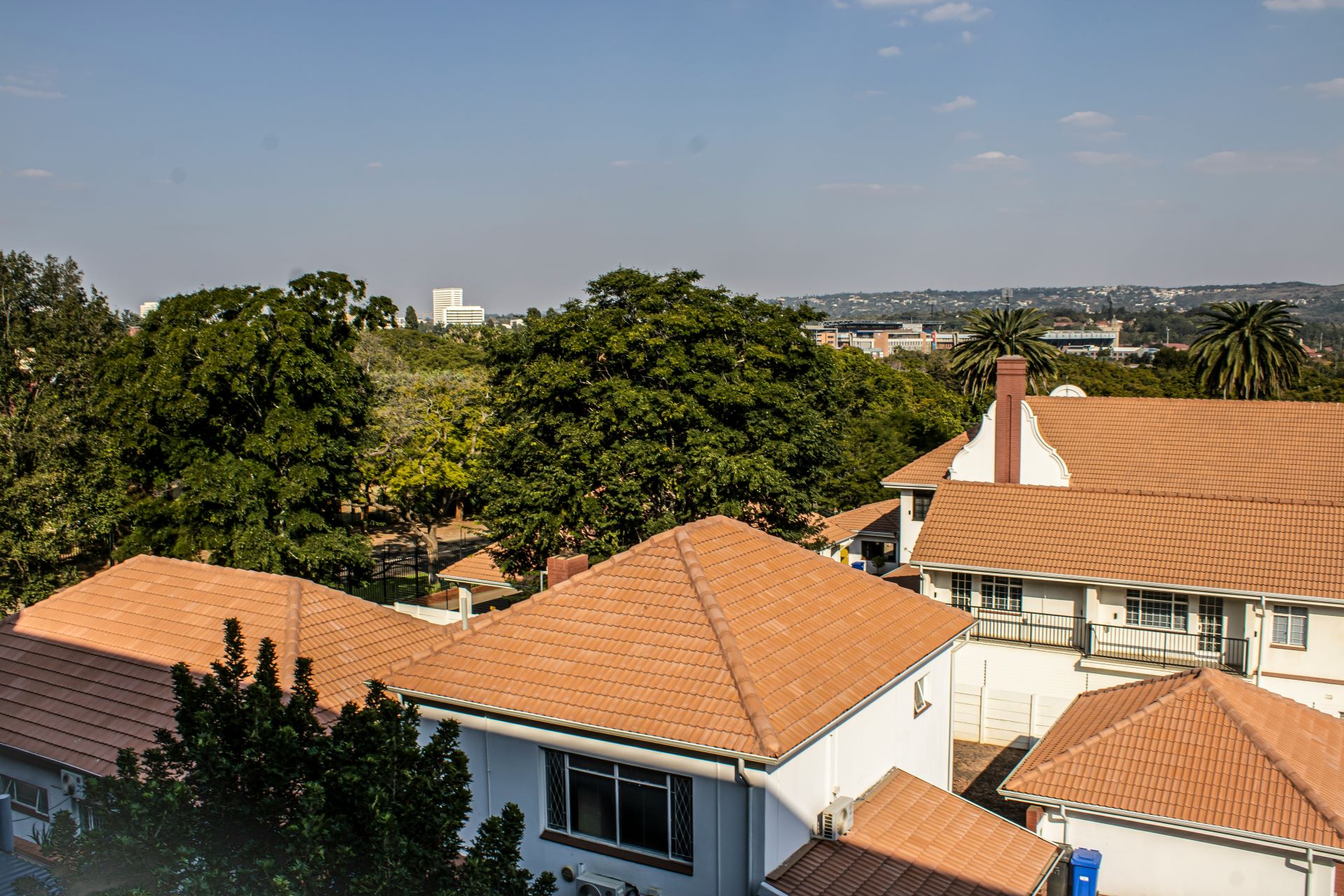
UV Damage to Roofs in South Africa Explained
South Africa’s rooftops live under a particularly aggressive sky. The sun here doesn’t just illuminate buildings; it interrogates them, day after day, with ultraviolet radiation that slowly unravels the chemistry holding roofing materials together. In a climate where high solar intensity is the norm rather than the exception, UV exposure becomes one of the most significant yet underestimated drivers of roof failure.
At a molecular level, UV radiation breaks chemical bonds within roofing materials, a process known as photodegradation. This weakening doesn’t announce itself loudly. Instead, it begins with subtle changes: binders in asphalt start to dry out, polymers lose elasticity, and protective surface layers become increasingly fragile. Over time, what was once a flexible, weather-resistant membrane turns rigid and brittle, far less capable of handling stress from wind, thermal movement, or rainfall. :contentReference[oaicite:0]{index=0}
In South Africa’s hot summers, the effect is amplified by extreme surface temperatures. Roof coverings regularly heat up well beyond ambient air temperatures, accelerating the breakdown of oils and resins that give materials their resilience. Asphalt shingles, for example, gradually lose their binding oils under prolonged UV exposure, leading to surface cracking and granule loss. Once that protective granule layer begins to thin, the material underneath is exposed directly to further solar assault, speeding up the degradation cycle.
Different roofing systems respond in different ways, but none are completely immune. Asphalt-based materials are typically the most vulnerable, particularly in regions with strong direct sunlight. They dry out, curl, and eventually become brittle enough to fracture under minor stress. Single-ply membranes may initially resist UV exposure if they include stabilisers, but over time even these systems can lose flexibility, especially at seams and junctions where stress concentrates. Metal roofing behaves differently; it resists structural breakdown from UV itself but is still vulnerable through its coatings. Paint systems and protective finishes gradually fade and chalk, exposing the underlying metal to secondary weathering effects.
Thermal cycling compounds the problem. As roofs heat during the day and cool at night, materials expand and contract repeatedly. UV-weakened surfaces are less able to accommodate this movement, which leads to micro-cracking. These tiny fractures are often invisible at first, but they become pathways for moisture ingress, particularly during heavy summer thunderstorms. Once water finds entry points, the damage accelerates rapidly, affecting insulation layers and structural elements beneath the roof covering.
In coastal and inland high-sun regions of South Africa alike, the intensity of UV exposure shortens expected roof lifespans unless materials are specifically designed for such conditions. Even high-quality systems degrade faster than manufacturer estimates if they are installed without considering local solar load, roof pitch, ventilation, and reflective performance.
The most deceptive aspect of UV damage is its quietness. There is no sudden failure event in the early stages, only gradual weakening that often goes unnoticed until visible symptoms appear: fading colours, brittle edges, or granules accumulating in gutters. By the time leaks emerge, the material has usually been degrading for years.
Understanding UV exposure as an active, ongoing stressor rather than a background environmental factor is essential for designing and maintaining durable roofs in South Africa. The sun is not simply a source of light and warmth here; it is a structural force acting continuously on every exposed surface, slowly reshaping the lifespan of the materials beneath it.