
The Role of Insulation in Modern South African Homes
Energy efficiency has become an important consideration in modern residential construction across South Africa. Rising electricity prices, frequent power disruptions, and increasing awareness of sustainable building practices have all encouraged homeowners and builders to rethink how houses are designed and constructed. Among the many components that contribute to an efficient home, insulation plays one of the most significant roles.
Insulation helps regulate indoor temperatures by slowing the transfer of heat between the inside and outside of a building. This simple principle has wide-reaching benefits. Proper insulation reduces the need for excessive heating or cooling, improves comfort levels throughout the year, and can significantly reduce household energy consumption.
In South Africa, the need for insulation is sometimes underestimated. Many people assume that insulation is only important in colder climates. However, the country's varied climate zones, which range from hot inland regions to humid coastal areas and cooler highveld environments, make insulation equally valuable for controlling heat gain as well as heat loss.
Modern construction standards, including the guidelines contained in national building regulations, increasingly recognise insulation as an essential part of responsible building design. By understanding how insulation works, the types of materials available, and the correct installation methods, homeowners and builders can create houses that are more comfortable, more efficient, and more durable.
Understanding Heat Transfer in Buildings
To understand why insulation is important, it helps to look at how heat moves through a building. Heat transfer occurs in three primary ways: conduction, convection, and radiation. Each of these processes affects how heat enters or escapes a home.
Conduction occurs when heat passes directly through solid materials. Walls, roofs, ceilings, and floors can all conduct heat. In a typical South African house built with brick or concrete block, the materials themselves can absorb large amounts of heat during the day and slowly release it into the interior during the evening.
Convection involves the movement of heat through air. Warm air rises while cooler air sinks. In poorly insulated buildings, this movement can create uneven temperature distribution, leading to hot ceilings and cooler living spaces.
Radiation refers to heat transfer through electromagnetic waves, such as sunlight entering through a roof or windows. Roof structures are particularly vulnerable to radiant heat, especially in areas that experience intense summer sun.
Insulation materials work by resisting these forms of heat transfer. They slow down the movement of heat through structural elements and reduce the amount of thermal energy entering or leaving a building. When properly installed, insulation creates a barrier that stabilises indoor temperatures.
Why Insulation Matters in the South African Climate
South Africa’s climate diversity means that homes face a wide range of temperature conditions throughout the year. Inland regions such as Gauteng and the Free State often experience hot summers followed by cold winter nights. Coastal cities such as Durban have warm, humid conditions that require careful temperature control to maintain indoor comfort.
Without adequate insulation, buildings in these regions can become extremely uncomfortable. Roof spaces can reach temperatures exceeding 50°C during summer, allowing heat to radiate into living spaces below. During winter, heat generated by heaters or fireplaces can escape rapidly through ceilings and walls.
Insulation helps address both of these problems by slowing heat movement in both directions. During summer, it prevents excessive heat from entering the house. During winter, it retains warmth inside the home.
The result is a more stable indoor environment that requires less reliance on electrical heating and cooling systems. In a country where electricity supply can be unpredictable, improving a home’s passive thermal performance is increasingly valuable.
The Link Between Insulation and Energy Efficiency
Energy efficiency is one of the main reasons insulation has become more prominent in modern construction. When buildings lose or gain heat too quickly, mechanical systems such as heaters, air conditioners, and fans must work harder to maintain comfortable temperatures.
This increased demand leads to higher electricity consumption and greater strain on household budgets. Over time, energy costs can exceed the initial investment required for proper insulation.
By reducing heat transfer, insulation allows heating and cooling systems to operate more efficiently. Rooms remain comfortable for longer periods without constant adjustment of temperature controls. Even small improvements in thermal performance can result in measurable energy savings.
In South Africa, where electricity tariffs have steadily increased over the past decade, improving insulation can provide long-term financial benefits. Many homeowners are beginning to view insulation not as an optional upgrade but as a core component of cost-effective building design.
Common Insulation Materials Used in South Africa
Several insulation materials are commonly used in South African residential construction. Each type has different properties, costs, and installation requirements. Selecting the right material depends on factors such as climate conditions, roof design, and budget.
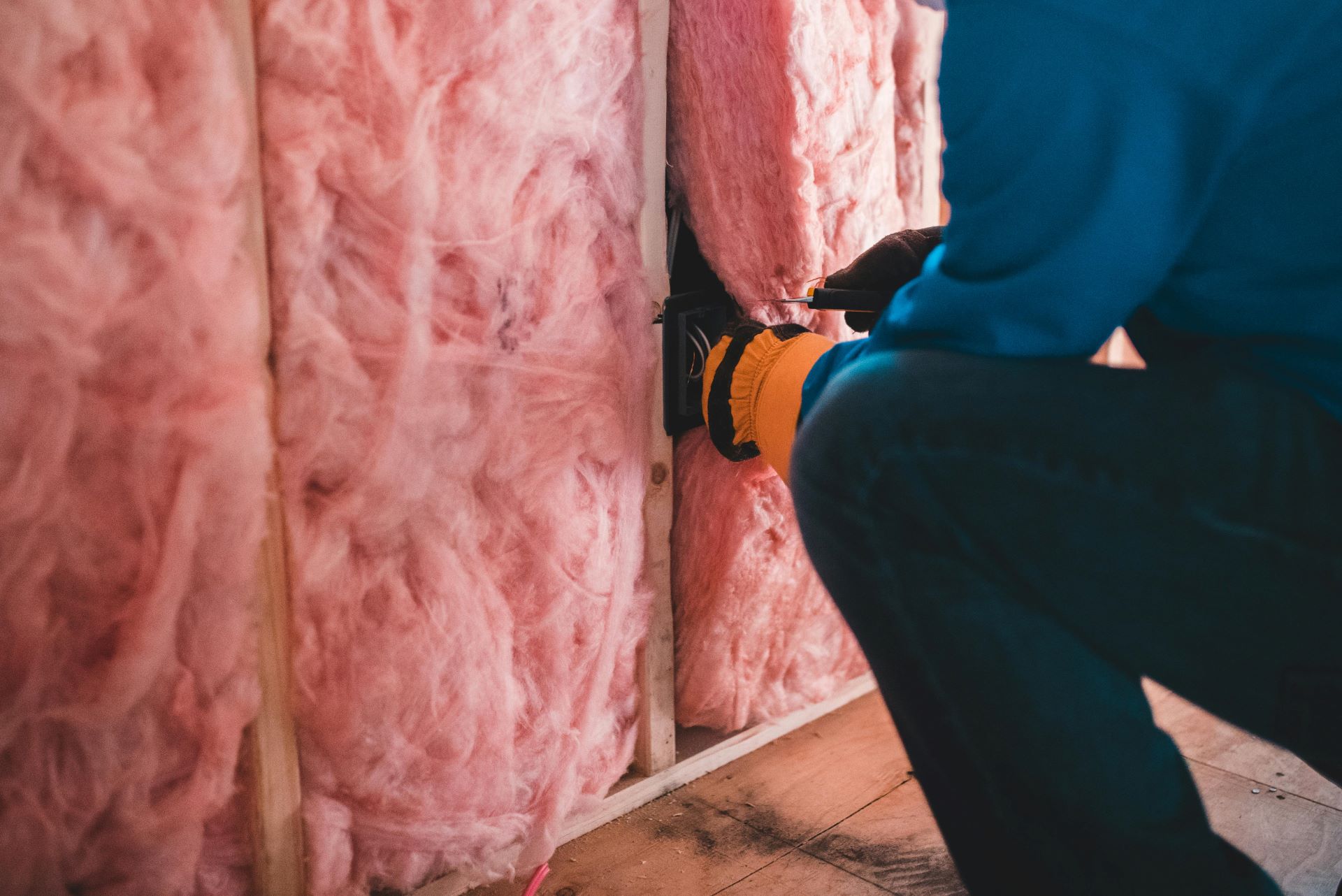
Fibreglass insulation is one of the most widely used options. It is made from fine strands of glass that trap air within a lightweight structure. This trapped air reduces heat transfer and provides reliable thermal resistance. Fibreglass insulation is often installed as blankets or rolls placed between roof trusses.
Cellulose insulation is another effective option. It is typically made from recycled paper treated with fire-resistant chemicals. The material is blown into roof spaces or wall cavities, creating a dense layer that fills gaps and irregular surfaces.
Rigid foam boards are also used in certain construction applications. These boards offer high thermal resistance and are often installed in walls, under floors, or beneath roofing materials.
Mineral wool insulation, produced from natural rock or slag, provides both thermal and acoustic benefits. It is resistant to fire and moisture, making it suitable for a variety of building conditions.
Each material has advantages and limitations, and the choice often depends on the specific requirements of the building.
Roof Insulation and Its Importance
In most South African homes, the roof is responsible for the largest amount of heat gain and heat loss. Because hot air rises and roofs receive direct sunlight, this part of the building envelope requires particular attention.
Roof insulation is typically installed within the ceiling space. Blanket insulation products are placed between ceiling joists or over the entire ceiling surface to form a continuous barrier. This layer reduces the amount of heat entering living areas during hot weather.
The effectiveness of roof insulation depends heavily on correct installation. Gaps between insulation sections can allow heat to bypass the barrier. Compression of insulation material can also reduce its thermal performance.
Proper coverage across the entire ceiling area is essential. Areas around light fittings, wiring, and roof access points must be carefully managed to maintain consistent insulation levels.
Wall Insulation in Residential Construction
While roof insulation is common in many South African homes, wall insulation has historically been less widespread. However, modern construction techniques increasingly incorporate insulation within wall structures.
Cavity wall systems provide space between two layers of masonry where insulation materials can be installed. This configuration improves thermal resistance and reduces heat transfer through exterior walls.
Rigid insulation boards or specialised cavity fill materials are often used for this purpose. These materials help maintain comfortable indoor temperatures while also contributing to sound reduction between rooms or from outside noise.
In existing buildings, retrofitting wall insulation can be more complex. However, certain injection or blown insulation methods allow contractors to improve thermal performance without major structural alterations.
Floor Insulation and Thermal Comfort
Floor insulation is another component that contributes to overall building performance. Although it is sometimes overlooked in residential construction, floors can act as pathways for heat loss during colder periods.
In homes built on raised foundations or suspended floors, insulation can be installed between floor joists. This approach reduces the amount of heat escaping through the floor and helps maintain warmer interior conditions.
Concrete slab floors can also benefit from insulation installed beneath the slab during construction. This layer reduces heat transfer between the ground and interior spaces.
Improved floor insulation contributes to overall comfort, particularly in regions that experience cold winter mornings.
Installation Techniques and Best Practices
The effectiveness of insulation depends not only on the material used but also on how it is installed. Even high-quality insulation can perform poorly if installation is incomplete or poorly executed.
Professional installers typically follow several best practices to ensure optimal performance.
• Ensuring full coverage across all ceiling or wall areas • Avoiding compression of insulation materials • Sealing gaps and openings that allow air movement • Maintaining ventilation in roof spaces where required
Proper installation also requires attention to safety. Electrical wiring, lighting fixtures, and ventilation systems must remain accessible and compliant with building regulations.
In South Africa, qualified installers are familiar with local building standards and can ensure insulation systems meet the required performance guidelines.
Building Regulations and Insulation Standards
South African building regulations increasingly emphasise energy efficiency and thermal performance. National standards outline minimum requirements for insulation and building envelope performance.
These regulations encourage the use of insulation to reduce energy consumption and improve building sustainability. Compliance with these standards is particularly important for new residential developments.
Architects and builders often incorporate insulation strategies during the design phase. This approach allows insulation to be integrated with other building elements such as roofing systems, wall assemblies, and ventilation design.
Meeting regulatory requirements not only improves comfort but can also enhance property value by demonstrating adherence to modern building practices.
Insulation and Moisture Management
While insulation improves thermal performance, it must also be installed in a way that manages moisture effectively. Excess moisture within walls or roof spaces can lead to mould growth, structural damage, and reduced insulation effectiveness.
Certain insulation materials are designed to resist moisture absorption. Others require vapour barriers or breathable membranes to prevent condensation buildup.
Proper roof ventilation plays a key role in maintaining healthy moisture levels within insulated roof spaces. Air movement allows moisture to escape rather than becoming trapped within insulation layers.
Maintaining this balance between thermal protection and ventilation ensures insulation systems perform effectively over the long term.
Maintenance and Longevity of Insulation
Insulation is generally a low-maintenance component of a building, but periodic inspection can help ensure it continues to perform as expected.
Roof insulation can sometimes be disturbed by electrical work, pest activity, or renovations. When insulation is moved or compressed, gaps may form that reduce thermal effectiveness.
Homeowners should occasionally check roof spaces to ensure insulation remains evenly distributed and undamaged. Any signs of moisture intrusion or material deterioration should be addressed promptly.
Well-installed insulation can last for decades without significant performance loss. Regular inspections simply help maintain the original level of protection.
Environmental Benefits of Insulated Homes
Beyond energy savings, insulation also contributes to environmental sustainability. Reduced energy consumption means fewer fossil fuels are burned to generate electricity.
Lower electricity demand helps reduce carbon emissions associated with power generation. Over time, widespread adoption of insulation in residential buildings can make a measurable contribution to national sustainability goals.
Many insulation materials also incorporate recycled content, further reducing environmental impact. Cellulose insulation, for example, often uses recycled paper products that would otherwise end up in landfills.
These combined benefits make insulation an important component of environmentally responsible construction.
##Future Trends in Residential Insulation
As energy efficiency becomes a higher priority in building design, insulation technology continues to evolve. New materials and installation methods are being developed to improve thermal performance while reducing environmental impact.
Advanced reflective insulation products are designed to reduce radiant heat transfer in hot climates. Aerogel-based materials offer extremely high insulation performance with minimal thickness. These technologies may become more widely available as production costs decrease.
Smart building design is also encouraging greater integration between insulation, ventilation, and renewable energy systems. When these elements work together, buildings can achieve significantly improved energy efficiency.
For South African homeowners, these developments suggest that insulation will continue to play an increasingly central role in residential construction.
Insulation has become a fundamental element of modern home construction. By reducing heat transfer and stabilising indoor temperatures, it improves comfort, reduces energy consumption, and supports sustainable building practices.
In South Africa’s varied climate conditions, effective insulation helps homes remain cooler during hot summers and warmer during cold winter nights. Whether installed in roofs, walls, or floors, insulation forms a critical barrier between indoor living spaces and external environmental conditions.
The benefits of insulation extend beyond immediate comfort. Lower energy bills, improved environmental performance, and compliance with building regulations all contribute to its long-term value.
As construction practices continue to evolve, insulation will remain one of the most practical and impactful ways to create efficient, durable, and comfortable homes.