
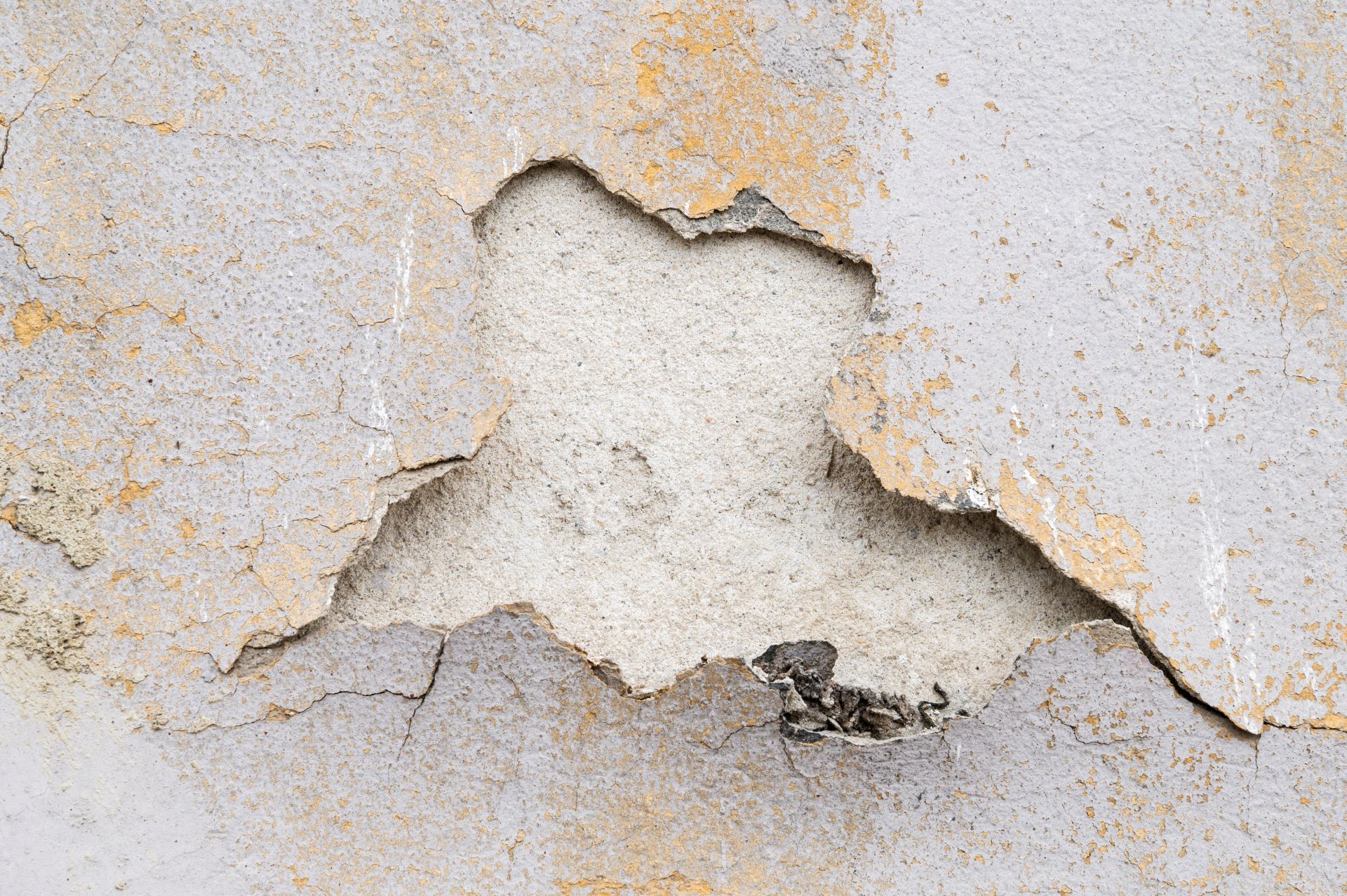
The Most Common Causes of Ceiling Collapse in SA Homes
Ceilings are one of those parts of a home that quietly do their job until something goes wrong. In South Africa, where homes are exposed to everything from summer thunderstorms in Gauteng to coastal humidity in KwaZulu-Natal and winter rainfall in the Western Cape, ceilings often carry a heavier environmental burden than most homeowners realise.
A ceiling collapse rarely happens out of nowhere. It is usually the final stage of a long, silent process involving moisture, structural strain, poor workmanship, or biological damage. By the time it gives way, the warning signs have often been visible for weeks or even months.
Understanding what causes ceiling failure is not just about avoiding repair costs. It is about protecting occupants from sudden hazards, preventing secondary damage to electrical systems and furniture, and maintaining the long-term value of a property in a market where building maintenance issues can significantly affect resale value.
This article breaks down the most common causes of ceiling collapse in South African homes and provides a practical, preventative mindset that homeowners can apply year-round.
Water Damage as the Leading Trigger
Water is the most consistent and destructive force behind ceiling failures in South African homes. Whether it enters through a damaged roof tile, a cracked waterproofing layer, or a leaking pipe, moisture slowly compromises the integrity of ceiling boards and supporting structures.
In many Gauteng homes, summer storms bring sudden heavy rainfall that exposes weaknesses in roofing systems. A single missing tile or poorly sealed flashing can allow water to seep into ceiling cavities. Over time, insulation becomes saturated, gypsum boards weaken, and timber battens begin to rot.
In coastal regions, humidity plays a quieter but equally damaging role. Constant moisture in the air can prevent ceiling materials from fully drying out after minor leaks, leading to long-term sagging and mould development.
Plumbing leaks are another major contributor. In double-storey homes, a small leak in an upstairs bathroom or geyser line can remain undetected for weeks. By the time staining appears on the ceiling below, structural degradation may already be advanced.
Once water saturation reaches a tipping point, the weight of the absorbed material increases dramatically. Ceiling boards lose their bond to fixings, screws pull through, and sections begin to bow before eventually collapsing.
Poor Installation and Construction Shortcuts
Not all ceiling collapses are caused by environmental factors. Many are rooted in how the ceiling was installed in the first place.
In South Africa’s residential construction sector, especially in fast-developing urban areas, ceilings are sometimes installed under tight timelines or by unregulated labour teams. This can lead to critical errors such as incorrect spacing of support battens, insufficient fasteners, or the use of low-grade gypsum boards not suited for the ceiling load.
A properly installed ceiling relies on precise load distribution. When support structures are misaligned or under-engineered, the ceiling becomes vulnerable to even minor stress changes, such as humidity expansion or slight roof movement.
Another common issue is the improper integration of ceilings with roof trusses. If the ceiling is fixed too rigidly to a structure that naturally shifts with temperature changes, cracks and joint failures begin to form. Over time, these weak points expand, allowing sections to detach.
Renovations can also introduce risk. When homeowners install downlights, ceiling fans, or additional insulation without reinforcing the structure, they inadvertently increase load stress on areas that were never designed to carry extra weight.
Pest Infestations and Hidden Structural Damage
Pests are an often underestimated contributor to ceiling failure in South African homes. Termites, rodents, and bats can all compromise structural elements in different ways.
Subterranean termites are particularly destructive in warmer regions. While they typically target roof timbers rather than ceiling boards directly, their damage to support structures weakens the entire system. Once wooden components lose integrity, ceilings lose their anchoring strength.
Rodents can also create significant issues. Rats and mice frequently move through ceiling cavities, gnawing on insulation, electrical wiring, and sometimes even plasterboard edges. Their movement creates vibrations and small structural disruptions that accumulate over time.
In certain areas, bat colonies in roof spaces introduce another layer of damage. Their droppings can build up moisture and acidity in confined spaces, accelerating the degradation of surrounding materials.
Pest-related damage is particularly dangerous because it often remains hidden until failure is advanced. Unlike water stains, which eventually become visible, internal gnawing or timber weakening can progress without obvious external warning signs.
Structural Movement and Environmental Stress
South African homes are exposed to a wide range of environmental conditions that influence structural movement. Temperature fluctuations between day and night, seasonal humidity shifts, and varying soil conditions all play a role in how a building settles and moves over time.
In clay-rich soil areas such as parts of Gauteng and the Free State, soil expansion and contraction can lead to subtle structural shifts. While this is more commonly associated with foundation movement, it can also affect roof alignment. When the roof structure shifts even slightly, ceiling panels can develop stress fractures at joints and seams.
Thermal expansion is another factor. Roof spaces can reach extreme temperatures during summer, causing timber and metal components to expand. When temperatures drop at night, contraction occurs. This constant cycle places repetitive stress on ceiling fixings and joint compounds.
Over time, these micro-movements weaken connection points. What begins as hairline cracks in paint or plaster can evolve into visible sagging or detachment of entire ceiling sections.
Early Warning Signs Homeowners Often Miss
Ceiling collapse rarely happens without warning, but the early signs are often subtle enough to be overlooked.
One of the most common indicators is discoloration. Yellow or brown stains usually signal moisture intrusion, even if the source is not immediately visible. These stains may appear static, but they often indicate ongoing saturation above the ceiling surface.
Another early sign is a slight bowing or sagging of ceiling boards. This is particularly noticeable when viewed along the length of a room under natural light. Sagging suggests that the internal structure is weakening or that moisture has altered the material density.
Cracking along joints or edges can also indicate movement in the roof structure or installation weaknesses. While small cracks may seem cosmetic, they often expand under seasonal stress.
A less obvious but important warning sign is a musty smell in rooms with ceilings that are otherwise visually intact. This often points to hidden moisture accumulation or mould growth within the ceiling cavity.
In more advanced cases, homeowners may notice small popping or creaking sounds during temperature changes. These sounds can indicate shifting materials under stress, which may precede visible failure.
Building a Practical Prevention Mindset
Preventing ceiling collapse is less about reactive repairs and more about consistent observation and maintenance.
Roof inspections are the first layer of defence. In South Africa’s climate, it is advisable to check roofing systems before and after major rainy seasons. Missing tiles, rusted sheets, and deteriorating waterproofing should be addressed immediately, as they are the primary entry points for moisture.
Gutters and drainage systems also play a crucial role. Blocked gutters cause water to overflow into roof structures, where it slowly infiltrates ceiling spaces. Regular clearing of leaves and debris is a simple but highly effective preventative measure.
Inside the home, monitoring ceiling condition should become part of routine maintenance. Instead of waiting for visible damage, homeowners should periodically scan ceilings for subtle changes in colour, texture, or alignment.
Ventilation is another key factor. Poor airflow in roof spaces traps moisture and heat, accelerating material degradation. Ensuring adequate ventilation reduces the likelihood of condensation-related damage.
Electrical modifications should always be approached carefully. Adding heavy fixtures without assessing ceiling load capacity increases risk significantly. Any structural alteration should ideally be supported by a qualified professional.
Seasonal Maintenance Considerations in South Africa
South Africa’s diverse climate means maintenance strategies must adapt to seasonal patterns.
During the summer rainy season in many inland provinces, the focus should be on leak prevention and rapid detection. Storms can introduce sudden water ingress that requires immediate attention.
In winter rainfall regions like the Western Cape, prolonged wet conditions mean moisture management becomes a priority. Even small leaks can have extended exposure periods, increasing the likelihood of saturation.
Coastal regions require year-round vigilance due to humidity and salt-laden air, both of which accelerate material fatigue and corrosion in fixings.
Dry winter periods in inland areas provide an opportunity for preventative maintenance work, including roof repairs, repainting, and structural inspections. These windows should be used proactively rather than reactively.
When to Call in Professionals
While minor cosmetic ceiling issues can sometimes be monitored, structural concerns require professional assessment.
If sagging is visible, if water staining continues to expand, or if sections of the ceiling appear detached from their fixings, a qualified contractor should be engaged immediately. Electrical components integrated into ceiling systems also introduce additional risk, making professional intervention essential.
In cases involving repeated leaks or suspected structural movement, a full roof and ceiling inspection is often necessary. This includes assessing trusses, insulation, waterproofing layers, and load distribution points.
Delaying intervention can turn a manageable repair into a full ceiling replacement, significantly increasing costs and safety risks.
Ceiling collapse in South African homes is rarely a sudden or isolated event. It is the result of cumulative stress, often combining water intrusion, installation weaknesses, pest activity, and environmental movement.
The key to prevention lies in awareness and routine attention. A ceiling does not fail quietly in a single moment. It signals its distress long before the final breakdown.
By treating early warning signs seriously and maintaining roofs, plumbing, and internal structures with consistency, homeowners can significantly reduce the risk of collapse and preserve the long-term integrity of their homes.