
Sustainable Construction Materials Shape South Africa’s Future
The Growth of Green Building Across South Africa
Sustainability is steadily reshaping construction thinking in South Africa, where climate pressures, energy costs and urbanisation are pushing developers and homeowners to reconsider how buildings are designed and maintained. The construction sector is slowly moving away from energy-hungry, resource-intensive methods toward materials that work in harmony with local environments rather than against them.
Green construction is no longer a niche conversation reserved for environmental consultants or international investors. Instead, it is becoming part of everyday architectural planning, particularly in urban centres such as Johannesburg, Cape Town and Durban. The shift is supported by organisations such as the Green Building Council South Africa, which promotes environmentally responsible building standards and sustainable design principles tailored to local conditions.
One of the strongest drivers of sustainable construction adoption is the long-term financial logic behind it. Although green materials can sometimes carry a higher upfront cost, they often deliver reduced operational expenses over a building’s lifespan. Lower energy consumption, improved thermal performance and reduced maintenance requirements all contribute to lifecycle savings that are increasingly attractive to property developers.
Climate variability also plays a role. South Africa experiences diverse weather zones, from coastal humidity to interior aridity and high solar exposure. Buildings that use locally appropriate eco-materials tend to perform better under these varied conditions because they are engineered with local climate realities in mind rather than imported design assumptions.
Another factor encouraging sustainability is consumer awareness. Modern home buyers and commercial tenants are gradually associating green construction with health, comfort and ethical responsibility. Natural ventilation, non-toxic materials and energy-efficient envelopes are becoming marketing advantages rather than technical afterthoughts.
However, sustainable construction in South Africa is not simply about importing global green trends. The real opportunity lies in adapting sustainability principles to local resources, local labour practices and locally available raw materials. This is where indigenous innovation begins to redefine what eco-friendly construction truly means in the southern African context.
Why Local Material Adoption Matters
The phrase “local is sustainable” carries particular relevance in South African construction. Transport emissions associated with imported materials can significantly increase the carbon footprint of a building project. By sourcing materials within regional supply chains, contractors reduce logistics emissions while supporting domestic manufacturing ecosystems.
Local material adoption also strengthens economic resilience. When construction projects rely heavily on imported cement additives, specialised insulation panels or high-grade structural components, the industry becomes vulnerable to currency fluctuations and international supply disruptions. Local production networks provide a buffer against such volatility.
In addition, indigenous materials are often better suited to South African environmental conditions. For example, natural thermal mass materials help stabilise indoor temperatures in regions where daytime heat and nighttime cooling differ dramatically. This reduces reliance on mechanical heating and cooling systems.
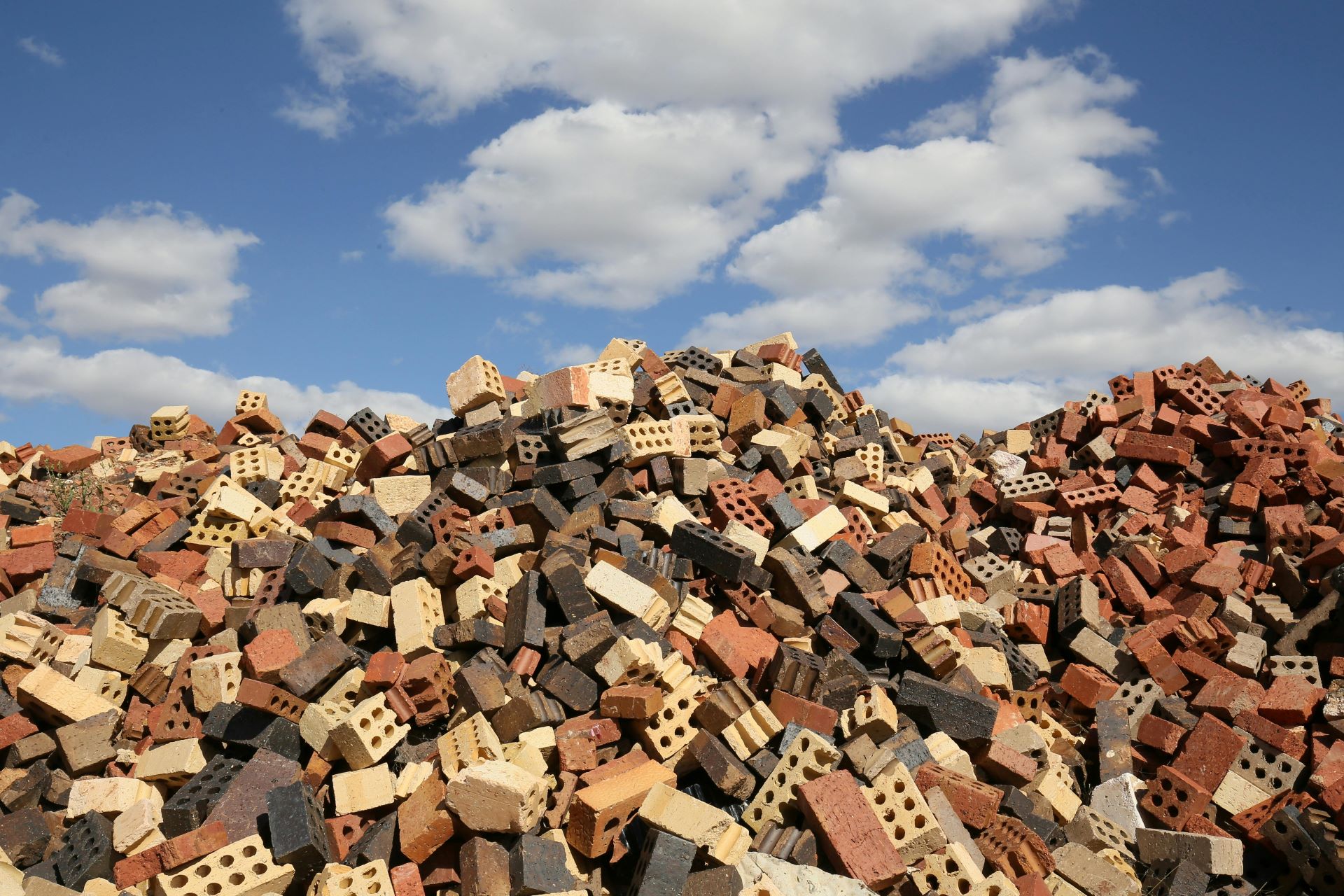
The sustainability conversation is also closely linked to water conservation. Water scarcity is a persistent concern across many provinces. Materials that require less water during manufacturing and construction phases are becoming increasingly attractive. Traditional brick manufacturing processes, for instance, are evolving to include more efficient curing and production techniques.
Local material adoption further promotes job creation within the construction value chain. Mining, processing, fabrication and installation activities associated with green construction often require skilled labour, which supports long-term employment opportunities in communities near project sites.
However, the transition is not without resistance. Contractors sometimes worry about performance reliability, regulatory compliance and technical uncertainty when working with newer eco-friendly materials. That is why industry standards play a crucial role in guiding adoption.
Standards issued by the South African Bureau of Standards help ensure that sustainable materials meet safety and durability benchmarks before entering commercial use. Certification systems also help property owners avoid the risk of investing in untested building technologies.
Key Sustainable Construction Materials Used Locally
Recycled Steel in Structural Applications
Steel recycling is one of the most practical sustainability successes within the South African construction ecosystem. Structural steel can be melted, reprocessed and reintroduced into new building projects without significant degradation of mechanical strength.
Recycled steel reduces mining pressure on iron ore reserves while lowering energy consumption during production. Manufacturing steel from recycled feedstock generally requires less energy compared to primary steel smelting processes, making it a powerful tool for carbon reduction.
In commercial and industrial buildings, recycled steel is frequently used for framing systems, roof supports and reinforcement structures. Its high tensile strength allows architects to design lighter yet stronger structural elements.
Maintenance professionals also appreciate steel’s predictable ageing behaviour when properly coated against corrosion. In coastal regions, anti-corrosion treatments are essential because salty air accelerates oxidation. Routine inspections and protective repainting help extend structural lifespan.
The challenge with recycled steel lies in quality verification. Proper metallurgical testing is necessary to ensure that recycled batches meet engineering specifications. Without rigorous quality control, structural integrity risks can emerge over time.
Rammed Earth and Compressed Earth Construction
Earth-based construction is experiencing a quiet renaissance in rural and peri-urban development zones. Rammed earth walls and compressed earth blocks use soil mixtures compacted into dense structural forms.
These materials offer exceptional thermal mass performance. During hot daytime conditions, wall surfaces absorb heat energy slowly, releasing it during cooler evening hours. This natural temperature buffering reduces dependence on air conditioning systems.
Compressed earth construction also utilises locally available soil resources, minimising transport emissions. When stabilised with small percentages of cement or lime, earth blocks can achieve surprising durability.
From an aesthetic perspective, earth-based buildings reflect regional architectural identity. Many contemporary designers are blending modern minimalist forms with traditional earthen textures, creating structures that feel both innovative and culturally grounded.
Maintenance requirements are relatively low if walls are properly sealed against moisture penetration. Roof overhangs and drainage management are particularly important because excessive water exposure can weaken earthen surfaces over time.
Despite its advantages, earth construction still faces perception barriers. Some property developers associate it with low-cost rural housing rather than premium architecture. Changing this perception requires demonstration projects and high-quality design integration.
Certified Plantation Timber for Sustainable Frameworks
Timber remains one of the most emotionally appealing building materials because of its natural warmth and visual comfort. Sustainable forestry practices have enabled controlled timber harvesting without destroying ecological systems.
South African plantation forestry contributes significantly to renewable construction supply chains. Timber used in construction is increasingly sourced from certified plantations that follow responsible harvesting cycles.
Lightweight timber framing is particularly useful for residential extensions and roof structures. The material’s low thermal conductivity helps improve indoor comfort while reducing heat transfer through building envelopes.
Moisture treatment is essential for timber durability. Pressure treatment processes protect against termite damage and fungal decay, which are common concerns in warmer regions.
Architects are also exploring engineered wood products that combine thin wood layers under high pressure. These products offer improved strength consistency compared to traditional solid timber beams.
Industrial By-Products: Fly Ash and Cement Alternatives
Industrial by-products are quietly transforming the South African cement ecosystem. Fly ash, a residue from coal combustion processes, can be blended with cement to improve durability and reduce clinker production.
Using fly ash reduces landfill waste while lowering the carbon intensity of concrete manufacturing. Structures built using blended cement often demonstrate improved resistance to chemical corrosion and cracking.
The construction industry in South Africa is particularly suited to such innovations because of its existing industrial base. Power generation and mining activities produce substantial quantities of recyclable mineral by-products.
Contractors must, however, carefully monitor mix ratios. Excessive substitution can affect early concrete strength development, which is critical for structural safety during curing phases.
Transportation logistics also matter. Fly ash must be stored and transported under controlled moisture conditions to prevent material clumping and quality degradation.
Eco-Friendly Insulation Materials
Thermal insulation is becoming one of the most important performance components in modern South African buildings. Rising electricity costs and grid reliability challenges have pushed energy efficiency to the forefront of design decisions.
Natural fibre insulation products made from agricultural by-products are gaining attention. Materials derived from plant fibres, recycled paper, and treated cellulose offer good thermal resistance while remaining environmentally responsible.
Insulation installation is particularly valuable in urban residential apartments where space constraints limit architectural ventilation options. Proper wall and roof insulation reduces dependence on electric heating during winter months.
Maintenance professionals must ensure that insulation cavities remain dry. Moisture intrusion can reduce thermal performance and encourage microbial growth.
Regulatory Framework and Certification Standards
Construction sustainability cannot succeed without reliable governance structures. Compliance with technical standards ensures that environmental enthusiasm does not compromise structural safety.
The South African Bureau of Standards provides technical certification pathways that help builders verify material quality and performance reliability.
The role of certification extends beyond material testing. It also includes monitoring manufacturing consistency, installation procedures and long-term durability assessments.
Green construction projects increasingly require environmental impact assessments before development approval. Urban municipalities are becoming stricter about energy efficiency requirements, stormwater management and waste reduction strategies.
Developers working with sustainable materials should maintain detailed documentation of supply chains and technical specifications. This documentation protects property owners during future resale transactions or insurance assessments.
Implementation Challenges in the Local Market
Despite growing enthusiasm, sustainable construction adoption still faces practical barriers.
Cost sensitivity remains the most common concern among small and medium contractors. Green materials sometimes carry higher initial procurement expenses because production volumes are still scaling.
Technical skills are another constraint. Installing specialised insulation systems or working with compressed earth structures requires training that is not always widely available in smaller construction communities.
Supply chain maturity also varies across regions. Urban centres usually have better access to eco-material suppliers than remote provinces.
Maintenance knowledge is equally important. Sustainable buildings perform best when property managers understand ventilation management, moisture control and protective surface treatment schedules.
Education therefore becomes a critical component of market expansion. Universities, vocational training institutions and private industry workshops are gradually expanding sustainability-focused construction programmes.
The Future of Sustainable Construction in South Africa
The future of green construction in South Africa will likely be shaped by hybrid material systems rather than single-material solutions. Architects are beginning to combine recycled metals, engineered timber and natural thermal mass components into integrated building envelopes.
Digital design technologies are also accelerating sustainable adoption. Building information modelling allows engineers to simulate energy consumption patterns before physical construction begins.
Urban density pressures will encourage vertical development, which may increase demand for lightweight sustainable structural materials. Modular construction techniques are expected to grow in popularity because they reduce on-site waste generation.
Water-efficient construction practices will become even more important as climate variability continues to influence resource availability.
Local manufacturing innovation will ultimately determine the success of sustainable construction. South Africa’s long-term competitive advantage may lie in developing regionally adapted eco-material technologies rather than relying on imported sustainability solutions.
Sustainable construction materials are no longer experimental novelties but practical necessities in modern South African development. From recycled steel and plantation timber to earth-based architecture and industrial by-product cement blends, the industry is discovering that environmental responsibility and engineering performance can coexist.
The journey toward greener construction will depend on collaboration between regulators, manufacturers, architects and property owners. As awareness grows and technologies mature, sustainable materials will gradually shift from being alternative options to becoming default building practice across urban and rural landscapes.
The future of construction in South Africa is quietly being shaped by soil, steel, timber and innovation working together in architectural harmony.