
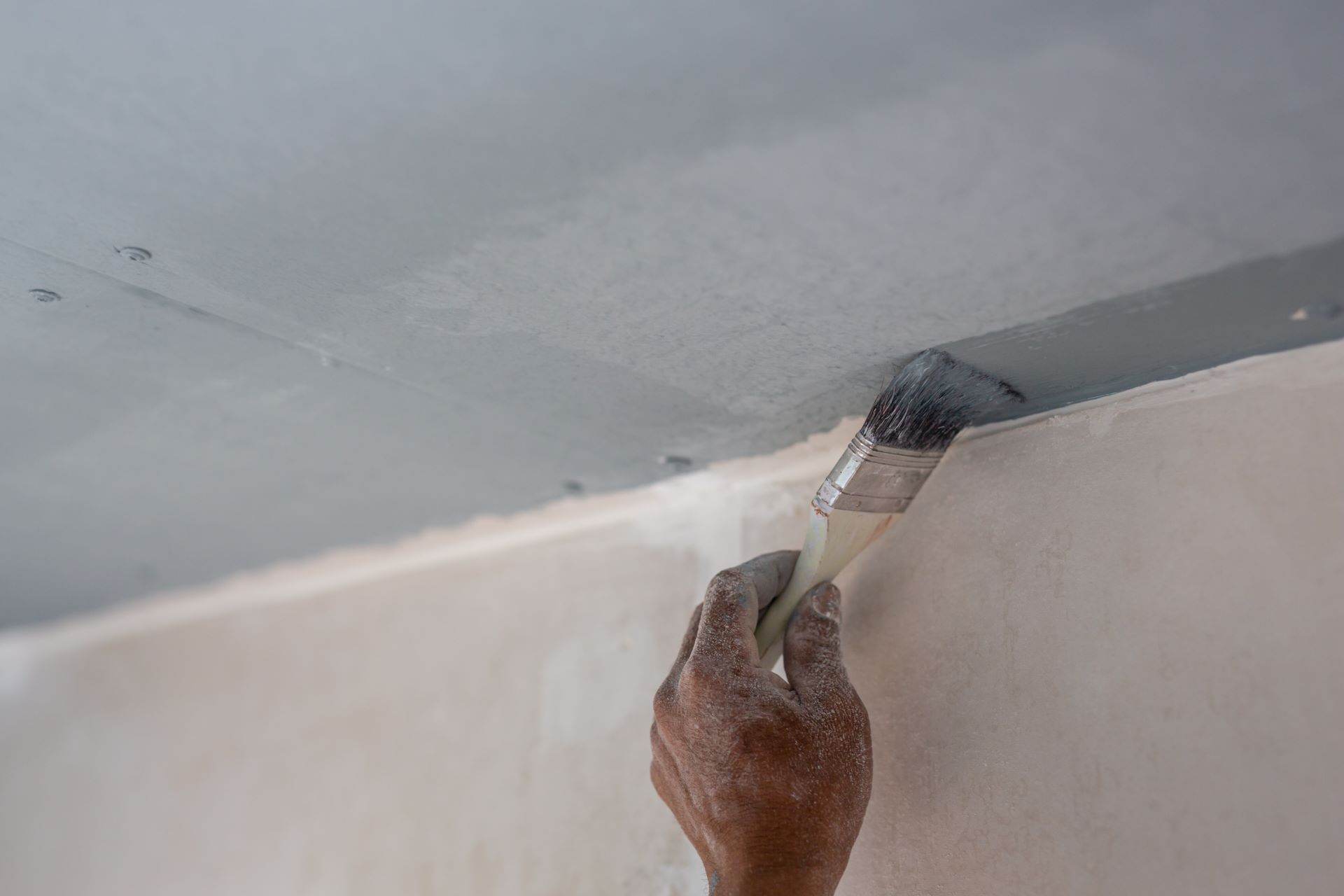
Repairing Water-Damaged Plaster Ceilings in South Africa
Understanding Water-Damaged Plaster Ceilings
Water damage to plaster ceilings is a common maintenance problem in homes and commercial buildings across South Africa. Heavy seasonal rainfall, ageing roofs, burst geysers, and leaking plumbing can all introduce moisture into ceiling cavities. Once water reaches the plasterboard or gypsum ceiling panels, deterioration can begin quickly.
Plaster ceilings are designed to provide a smooth interior finish while concealing roof structures, electrical wiring, and insulation. However, they are not built to withstand prolonged exposure to moisture. When water penetrates these materials, it can weaken the gypsum core, loosen joint compounds, stain painted surfaces, and cause sections of ceiling boards to sag or collapse.
Repairing water-damaged ceilings is not simply a cosmetic task. Proper restoration involves identifying the source of the leak, drying the affected materials, replacing weakened sections, and restoring the decorative finish. Without addressing the underlying cause, the damage will almost certainly return.
In South Africa’s varied climate conditions, from coastal humidity to Highveld thunderstorms, building maintenance teams and homeowners must understand how moisture affects interior ceiling systems. A structured repair process ensures both safety and durability.
This article explains the practical steps required to repair water-damaged plaster ceilings, focusing on drying techniques, structural patching, and repainting methods suited to local construction practices.
Common Causes of Ceiling Water Damage
Before any repair work begins, the source of water infiltration must be identified and resolved. Ceiling damage rarely occurs without a contributing structural or plumbing issue.
Roof leaks are among the most common causes. Damaged roof tiles, cracked flashing, blocked valleys, or deteriorated waterproof membranes allow rainwater to enter roof spaces. During heavy storms, water may accumulate above the ceiling and eventually seep through plaster joints or light fittings.
Plumbing leaks also play a major role. In many South African homes, geysers are installed in roof cavities. A failing pressure valve, corroded tank, or loose pipe connection can release significant amounts of water into the ceiling void.
Air-conditioning drainage failures are another frequent problem in offices and modern homes. Condensation lines that become blocked or disconnected can drip continuously onto ceiling boards.
Less obvious causes include poorly sealed roof penetrations, cracked parapet walls, and damaged gutters that allow water to track beneath roof sheeting.
Signs of water damage often appear gradually. Homeowners may notice brown stains spreading across paint surfaces, bubbling or peeling paint, sagging boards, or soft spots when pressed.
These warning signs should never be ignored. Even small leaks can eventually compromise ceiling integrity and create safety hazards.
Why Immediate Repairs Are Important
Delaying repairs to a water-damaged plaster ceiling can lead to more serious structural and health problems. Moisture trapped within building materials encourages mould growth, which may spread rapidly in poorly ventilated roof cavities.
Mould spores can affect indoor air quality and cause respiratory irritation, particularly in homes with young children or elderly occupants. For property owners, this can also become a legal liability in rental or commercial buildings.
Water damage can also weaken ceiling boards and the supporting brandering framework. When plasterboard becomes saturated, it loses its rigidity and may begin to sag between support battens. If the moisture problem continues, entire sections of ceiling can collapse without warning.
Electrical hazards are another concern. Many ceiling cavities contain lighting circuits, junction boxes, and insulation. Water infiltration increases the risk of short circuits and potential fire hazards.
From a maintenance perspective, early repairs are always more affordable. Addressing a small patch of damaged plaster is far cheaper than replacing entire ceiling sections or repairing structural roof components.
Routine inspection and timely repair therefore form a critical part of responsible building maintenance in South African properties.
Assessing the Extent of Ceiling Damage
Before beginning repair work, a thorough inspection should be carried out to determine how much of the ceiling has been affected.
Start by examining the visible signs of damage from inside the room. Look for discoloration, paint blistering, sagging boards, or visible cracks along joints. Press gently against the affected area to test the rigidity of the plasterboard. Soft or crumbly surfaces indicate severe moisture penetration.
Next, inspect the roof cavity if access is available. This step is essential for identifying the source of the leak and assessing hidden damage. In many homes, ceiling boards may appear relatively intact from below while insulation or timber brandering above is already damp.
Check for the following conditions:
• Wet insulation materials • Water stains on roof trusses • Dripping pipes or geyser fittings • Damaged roofing sheets or tiles • Pooled water on top of ceiling boards
If electrical wiring is present near wet areas, power should be switched off at the distribution board before entering the ceiling cavity.
This inspection stage helps determine whether a simple patch repair will be sufficient or whether larger ceiling sections must be replaced.
Stopping the Leak Before Repairs
No ceiling repair should begin until the source of the leak has been completely resolved. Attempting to repair plaster while water infiltration continues will only result in repeated damage.
Roof leaks must be repaired by replacing broken tiles, sealing flashing joints, or applying waterproof membranes where necessary. In sheet-metal roofing systems, loose screws and deteriorated sealing washers may require replacement.
Plumbing issues must also be corrected immediately. Leaking geyser valves, burst pipes, and faulty fittings should be repaired by a qualified plumber.
In some cases, insulation soaked with water should be removed and replaced to prevent ongoing moisture retention.
Once the leak has been resolved, the ceiling structure must be allowed to dry thoroughly before any patching work begins.
Drying the Ceiling Structure
Drying is a crucial stage that is often overlooked in quick repair jobs. Moisture trapped within plasterboard or timber structures can cause future paint failure, mould growth, or joint cracking.
Natural ventilation is usually the first step. Opening windows and doors allows warm air to circulate through the room and gradually evaporate residual moisture.
In roof cavities, ventilation openings should remain unobstructed to promote airflow. Removing wet insulation temporarily can accelerate drying.
In more severe cases, contractors may use portable fans or dehumidifiers to speed up the process. These tools help remove moisture from both the ceiling boards and surrounding timber structures.
Drying times vary depending on the extent of the leak and the climate conditions. In humid coastal regions such as KwaZulu-Natal, drying may take longer than in the drier interior regions of Gauteng or the Free State.
Ceiling boards should feel completely firm and dry before any patching work begins.
Removing Severely Damaged Plaster Sections
If the plasterboard has become heavily saturated or sagging, it is often safer to remove the affected sections entirely rather than attempting surface repairs.
Cutting away damaged plasterboard prevents hidden mould growth and restores structural integrity.
Using a utility knife or plaster saw, carefully cut around the damaged area to create a neat rectangular opening. It is best to extend the cut to the nearest ceiling battens or brandering so that the replacement board can be properly secured.
During removal, protective equipment such as safety goggles and dust masks should be worn. Wet plasterboard can crumble and release dust particles.
Any loose joint compound or paint should also be removed from the surrounding edges to ensure a clean repair surface.
Installing Replacement Ceiling Boards
Once the damaged section has been removed, a new plasterboard panel can be installed.
Measure the opening carefully and cut a replacement board to the correct dimensions. In South Africa, standard gypsum ceiling boards are widely available and typically measure 6.4 mm or 9.5 mm in thickness depending on the application.
The new board should be positioned against the brandering framework and secured using drywall screws. Screws must be spaced evenly to ensure firm attachment without cracking the board surface.
It is important that the replacement section sits flush with the surrounding ceiling panels. Any unevenness will become visible once the ceiling is painted.
If insulation was removed earlier, it can now be replaced above the repaired section.
Patching Joints and Surface Imperfections
After installing the new plasterboard panel, the joints between the old and new sections must be reinforced and smoothed.
Jointing tape is applied along the seams to prevent cracking. A layer of joint compound is then spread over the tape using a broad drywall knife.
The compound should be feathered outward so that the repair blends gradually into the surrounding ceiling surface. Multiple thin layers usually produce better results than one thick coat.
Each layer must be allowed to dry before sanding and applying the next coat.
Once the final layer has dried, the surface can be lightly sanded to create a smooth and level finish.
This stage requires patience and attention to detail, as uneven patches will remain visible after painting.
Preparing the Ceiling for Repainting
Before repainting begins, the repaired area and surrounding ceiling should be properly prepared.
All sanding dust must be removed using a soft brush or cloth. Dust left on the surface can prevent paint from adhering correctly.
A stain-blocking primer is often recommended when repairing water-damaged ceilings. Water stains can sometimes bleed through new paint layers if they are not properly sealed.
Primers designed for ceilings provide a uniform base and help restore an even colour tone across the repaired area.
Applying primer also improves the adhesion of the final paint coat, ensuring long-lasting results.
Repainting the Ceiling Surface
Once the primer has dried, the ceiling can be repainted.
In most South African homes, ceilings are finished with matte white acrylic paint. This type of paint reduces glare and hides minor surface imperfections.
A paint roller with a medium nap is typically used to achieve an even finish across the surface. It is best to paint the entire ceiling rather than only the repaired section, as patch painting can leave visible colour differences.
Two coats of paint usually provide adequate coverage. Allow the first coat to dry fully before applying the second.
Proper ventilation during painting helps ensure smooth drying and prevents trapped moisture.
Preventing Future Ceiling Water Damage
Repairing a plaster ceiling is only part of long-term building maintenance. Preventing future water damage requires regular inspection and proactive care.
Roof coverings should be inspected at least once a year, especially before the summer rainy season in many parts of South Africa. Broken tiles, rusted metal sheets, and damaged flashing should be repaired promptly.
Gutters and downpipes should also be kept clear of debris to prevent water overflow that could enter roof cavities.
Geysers installed in ceilings should be fitted with drip trays and overflow pipes to direct leaks safely outside the building.
Homeowners should remain alert to early warning signs such as ceiling stains or unusual damp smells. Addressing these signs quickly can prevent major repairs later.
The Role of Professional Contractors
While minor ceiling repairs can sometimes be handled by experienced homeowners, larger or more complex damage often requires professional assistance.
Qualified contractors understand the structural layout of ceiling systems and can identify hidden problems that may not be immediately visible.
Professionals also have access to specialised drying equipment, mould treatment products, and high-quality finishing materials.
In commercial buildings, repairs may also need to comply with safety regulations and insurance requirements.
For property managers and homeowners, hiring skilled contractors ensures that repairs are completed safely and according to industry standards.
Maintaining Interior Ceilings in South African Homes
Ceilings are often overlooked during routine property maintenance, yet they play an important role in both structural protection and interior appearance.
Regular inspections of roof spaces, plumbing systems, and ventilation components help protect ceilings from moisture damage.
Simple maintenance tasks such as clearing gutters, checking roof tiles, and monitoring geyser fittings can significantly reduce the risk of leaks.
When damage does occur, prompt and methodical repairs help restore the ceiling’s appearance while protecting the building structure.
With proper care, plaster ceilings can remain durable and visually appealing for many years.