
Renovations That Boost Property Value in South Africa
The Financial Logic Behind Renovation Decisions
Renovation is often misunderstood as a cosmetic indulgence, something driven by aesthetics rather than economics. In South Africa’s evolving property landscape, however, renovations are increasingly strategic financial decisions. They are not simply about improving how a home looks, but about reshaping how it performs in a competitive market.
Buyers today are not only purchasing space; they are buying convenience, efficiency, and reduced future maintenance risk. This shift has transformed renovation from optional spending into a calculated investment lever. A well-executed upgrade can significantly reduce time on the market and push selling prices closer to, or even above, asking value.
In many South African suburbs, particularly in metropolitan hubs like Johannesburg, Cape Town, and Durban, properties that reflect modern standards consistently outperform older, untouched homes. This performance gap is driven by both market perception and practical cost-benefit analysis from buyers.
Renovation becomes less about “fixing up” and more about repositioning a property within its competitive bracket.
South Africa’s Property Market Context
To understand why renovations increase value, it is important to understand the structure of the South African property market itself. The market is characterised by a dual dynamic: ageing housing stock on one hand, and rising expectations from modern buyers on the other.
A significant portion of residential properties in established suburbs were built decades ago. While structurally sound in many cases, they often lack contemporary design principles, energy efficiency, and modern building systems. This creates a natural gap between existing stock and buyer expectations.
At the same time, new developments set a high benchmark. Open-plan layouts, energy-efficient lighting, modern kitchens, and low-maintenance finishes have become standard expectations rather than premium upgrades. Older homes must therefore “compete upward” through renovation.
Economic pressures also influence buyer behaviour. Rising utility costs, load shedding realities, and water scarcity concerns have shifted attention toward homes that offer efficiency and resilience. Renovations that address these concerns directly influence perceived and real value.
In this environment, renovation is not optional enhancement. It is market alignment.
Buyer Psychology and Perceived Value
Property value is not determined solely by construction cost or land size. It is heavily influenced by perception. In South Africa’s residential market, buyers tend to evaluate homes through three psychological lenses: immediate livability, future maintenance burden, and lifestyle compatibility.
A renovated home reduces cognitive friction. Buyers do not mentally calculate the cost of replacing outdated kitchens, rewiring electrical systems, or repairing worn roofing. Instead, they see a ready-to-occupy asset. This reduces hesitation and increases willingness to pay a premium.
There is also a strong emotional component. Modern finishes, natural lighting, and functional layouts create an immediate sense of comfort and desirability. Even modest upgrades can dramatically shift emotional response during property viewings.
A common phenomenon in estate agent feedback is that renovated homes “feel newer” even when structurally identical to unrenovated counterparts. This perceived youthfulness translates directly into higher offers.
Ultimately, value is not just built in bricks and mortar. It is built in perception, trust, and reduced uncertainty.
Kitchens and Bathrooms as Value Multipliers
In South African residential property, kitchens and bathrooms consistently deliver the highest return on renovation investment. These spaces are considered high-decision zones for buyers, meaning they strongly influence whether an offer is made.
A modern kitchen signals overall property care. Even if other parts of the home are older, a well-designed kitchen can elevate the entire property’s perceived value. Quartz countertops, updated cabinetry, and efficient storage solutions contribute to this effect.
Bathrooms function similarly. Clean lines, modern tiles, water-efficient fixtures, and improved ventilation are no longer luxury features. They are expected standards in many market segments.
From a construction perspective, these renovations also often reveal underlying system upgrades, such as improved plumbing or electrical rewiring. These hidden improvements further reinforce buyer confidence.
In many cases, a relatively moderate investment in these two areas can shift a property into a higher price bracket entirely, especially in competitive urban markets.
Structural Integrity and Maintenance Visibility
While cosmetic upgrades capture attention, structural maintenance underpins actual value growth. South African buyers are increasingly aware of hidden maintenance risks, particularly in older homes.
Roofing condition, damp proofing, foundation stability, and electrical safety compliance all influence perceived risk. Renovation projects that address these areas may not always be visually dramatic, but they significantly improve valuation confidence.
For example, a repaired or replaced roof reduces future risk exposure for buyers, especially in regions prone to seasonal rainfall. Similarly, updated waterproofing prevents long-term structural damage, which is a major concern in many coastal and inland areas.
Building maintenance transparency plays a key role here. When renovations visibly include structural upgrades, buyers interpret the property as well cared for and lower risk. This directly affects negotiation strength.
A well-maintained structure becomes a silent value multiplier that supports every other aesthetic improvement.
Energy Efficiency and Load Shedding Adaptation
South Africa’s energy landscape has reshaped property priorities. Load shedding has pushed energy efficiency and backup readiness from niche concerns into mainstream expectations.
Renovation projects that incorporate solar systems, inverter readiness, gas integration, and energy-efficient appliances now significantly enhance property value. Buyers are increasingly calculating the long-term cost of energy instability into their purchase decisions.
Insulation improvements also play a major role. Proper roof insulation and heat-reflective materials reduce reliance on heating and cooling systems. In a country with wide temperature variation, this is a meaningful selling point.
LED lighting upgrades, smart geyser timers, and energy-efficient windows further contribute to operational cost reduction. These features do not just save money; they signal modernisation and forward-thinking design.
In many cases, energy-efficient homes are perceived as “future-proof,” which increases demand and reduces time on market.
Curb Appeal and First Impressions
The exterior of a property sets the tone for everything that follows. In South Africa’s residential market, curb appeal remains one of the most powerful yet underestimated value drivers.
A renovated exterior suggests ongoing maintenance and pride of ownership. This includes façade improvements, roof cleaning or replacement, boundary wall upgrades, landscaping, and driveway resurfacing.
Even minor improvements, such as repainting or replacing outdated gates, can significantly shift first impressions. Buyers often form value judgments within seconds of arrival, long before entering the home.
Curb appeal also influences perceived neighbourhood status. A well-maintained property elevates the surrounding area’s visual standard, which indirectly supports overall valuation trends.
In essence, the exterior is not just an introduction. It is a financial signal.
Spatial Reconfiguration and Modern Living Expectations
Modern South African buyers prioritise space usability over sheer square meterage. Renovation projects that reconfigure internal layouts often deliver substantial value increases.
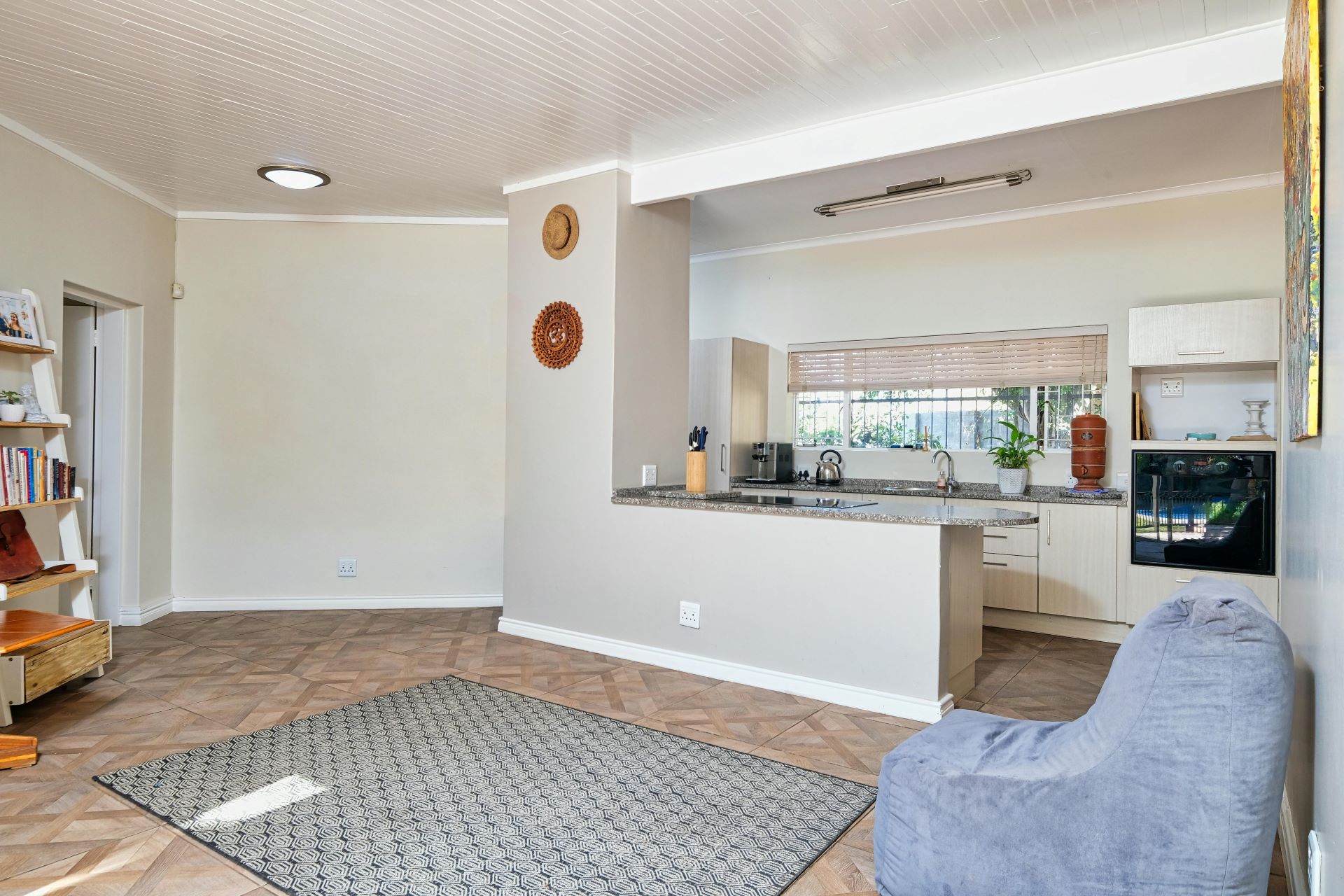
Older homes frequently feature segmented layouts with closed-off kitchens and smaller rooms. Renovations that open these spaces create a sense of flow, light, and social connectivity.
Open-plan living areas have become a dominant preference, especially among younger buyers and families seeking multifunctional spaces. Removing non-structural walls or repositioning internal divisions can dramatically improve perceived spaciousness.
However, successful spatial renovation requires careful structural assessment. Load-bearing considerations, building regulations, and compliance with municipal codes are critical.
When done correctly, spatial reconfiguration transforms outdated properties into contemporary living environments without requiring new construction.
The Role of Compliance and Building Regulations
Compliance is a hidden but powerful driver of property value. In South Africa, building regulations and occupancy certifications are essential components of legal property transactions.
Renovation projects that ensure compliance with electrical standards, plumbing regulations, and municipal bylaws increase buyer confidence. Properties with up-to-date certificates reduce legal friction during sale negotiations.
Unpermitted or non-compliant structures, on the other hand, can significantly reduce market value or delay transactions. Buyers increasingly request documentation as part of due diligence.
Professional renovation work that includes proper approvals signals legitimacy and reduces perceived risk. This is particularly important in high-value transactions or investment property sales.
Compliance is not just administrative. It is part of the property’s value architecture.
Rental Market Implications
Renovations do not only affect resale value; they also influence rental yield potential. In South Africa’s urban centres, rental demand is strong, particularly for modern, low-maintenance properties.
Tenants are increasingly selective, favouring homes that offer convenience, security, and reduced utility costs. Renovated properties attract higher-quality tenants and often achieve higher monthly rental rates.
Security upgrades, modern kitchens, and energy-efficient systems are particularly attractive in rental markets. These features reduce vacancy periods and improve long-term income stability.
From an investment perspective, renovation can reposition a property from average rental stock to premium rental category. This shift significantly improves return on investment over time.
Construction Quality and Long-Term Value Retention
Not all renovations are equal. The quality of construction work plays a decisive role in long-term value retention. Poor workmanship can quickly erode any initial value gain.
In South Africa’s construction environment, material selection, contractor reliability, and adherence to standards are critical. High-quality finishes and durable materials ensure that renovations remain attractive over time.
Buyers are increasingly experienced and can often distinguish between superficial upgrades and genuine quality improvements. This awareness places greater importance on execution standards.
A well-executed renovation not only increases value at sale but also maintains that value through market cycles. It becomes a stabilising asset rather than a temporary enhancement.
Market Timing and Strategic Renovation Planning
Timing plays an important role in renovation-driven value growth. In active property markets, well-timed upgrades can capitalise on high demand periods, leading to faster sales and higher offers.
In slower markets, strategic renovations help properties stand out and maintain competitiveness. Even modest improvements can prevent price stagnation.
South African property cycles are influenced by interest rates, economic conditions, and regional development trends. Understanding these cycles allows homeowners and investors to prioritise renovations that deliver the best return.
Strategic planning ensures that renovation spending aligns with market opportunity rather than emotional decision-making.
The Psychology of “Move-In Ready” Homes
One of the strongest value drivers in the South African property market is the concept of move-in readiness. Buyers are increasingly willing to pay premiums for homes that require no immediate work.
Renovated properties eliminate the stress and uncertainty associated with post-purchase repairs. This convenience factor often outweighs marginal price differences between renovated and unrenovated homes.
Move-in ready homes also reduce financial strain for buyers who may already be stretching budgets to purchase property. This makes renovated homes more accessible to a broader pool of buyers.
The result is increased demand, stronger competition, and higher final sale prices.
Renovation as Strategic Value Engineering
Renovation in South Africa is no longer simply about upgrading aesthetics. It is a form of value engineering that aligns properties with modern expectations, economic realities, and buyer psychology.
From kitchens and structural integrity to energy efficiency and compliance, each improvement layer contributes to a broader financial outcome. The combined effect is a property that is more competitive, more desirable, and more resilient in a shifting market.
Ultimately, renovation transforms a home from a static asset into an active financial instrument. When executed strategically, it does not just improve living conditions. It reshapes value itself.