
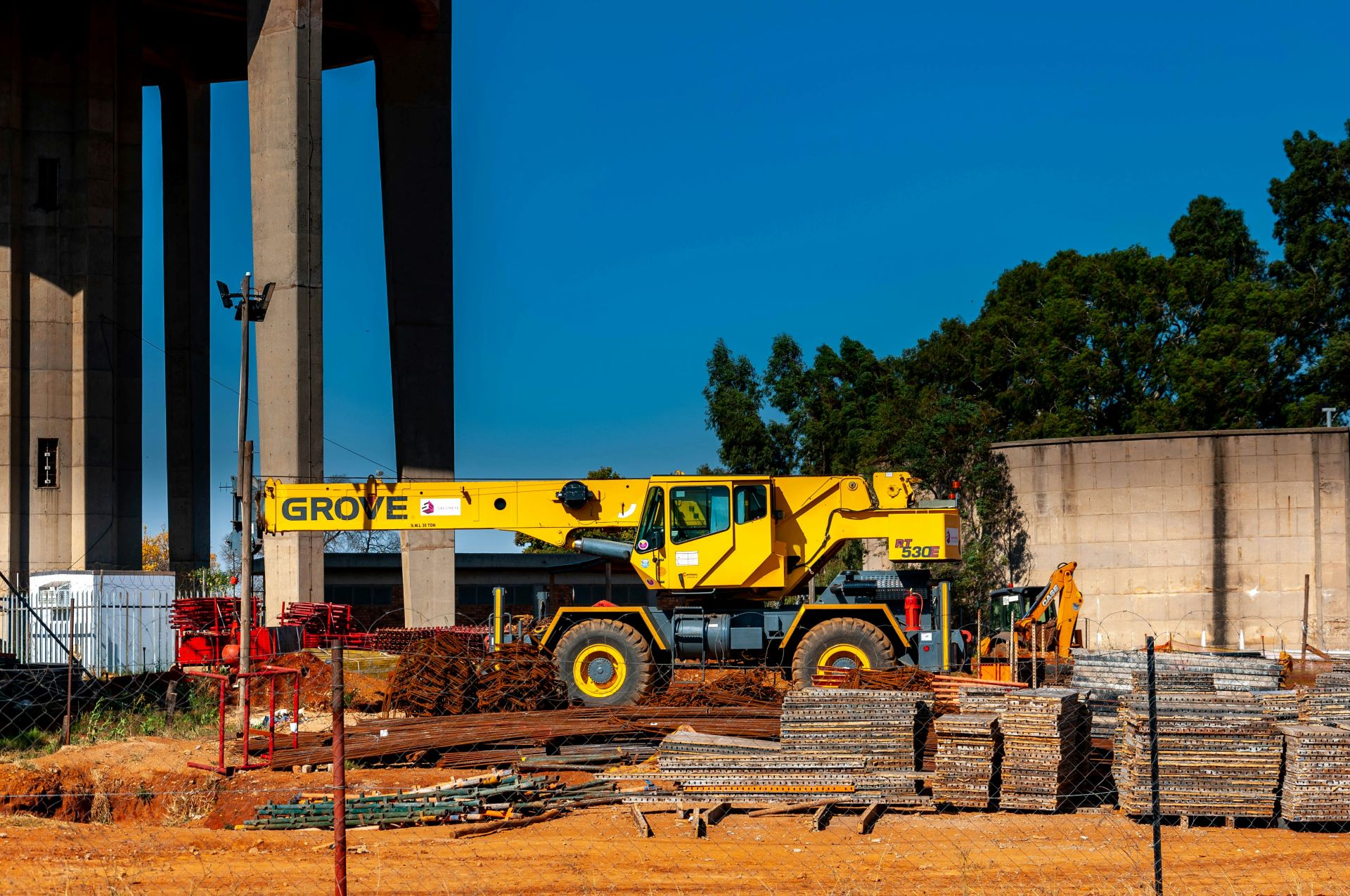
Remote Site Construction in South Africa: Logistics Challenges
Building Beyond the Beaten Path
In South Africa, the frontier of development increasingly reaches into the hinterland — remote valleys, highveld expanses, rugged mountains, and coastal fringes far from the urban core. Whether it’s a solar farm in the Northern Cape, a mine infrastructure upgrade near Rustenburg, or a rural school build in the Eastern Cape, remote site construction is vital to national progress. Yet the logistics and supply chain challenges that accompany these projects are profound and persistent. Managing transport, material storage, and worker accommodation isn’t just operational detail — it’s foundational to safety, cost control, sustainability, and project success.
This article examines the complexities of remote site construction in South Africa, framed through the lens of logistics and supply chain dynamics. By unpacking transport intricacies, storage strategies, and accommodation solutions, we offer insight into the real-world challenges developers, contractors, and supply chain partners must confront — and the pragmatic strategies that have emerged to address them.
The Nature of Remote Challenges in South Africa
South Africa’s geographic diversity is both a blessing and a logistical burden. Vast distances separate mines, renewable energy sites, and rural infrastructure projects from supply hubs and labour pools. Infrastructure networks vary dramatically in quality; tarred national roads quickly give way to gravel backroads as one ventures into remote districts. Seasonal weather patterns — from summer thunderstorms to winter frosts — can render roads impassable and freeze progress for days.
These physical constraints shape a distinctive set of logistics hurdles: the longer the distance, the more points of friction. Transit times stretch, predictability erodes, and every delay cascades through the project schedule. In remote locations, there’s little margin for error and even less capacity for rapid corrective action.
Transport Realities: From Port to Plateau
Transport is the backbone of construction logistics, and in remote South African contexts it is both the most visible and most vulnerable link in the supply chain.
Distance and Infrastructure Quality
Many remote sites lie hundreds of kilometres from major ports (like Durban or Ngqura), regional distribution centres, or supplier warehouses. This means a heavy reliance on long-haul trucking, often over roads not designed for high volumes of oversize or heavy loads. Wear and tear on vehicles increases, tyre blowouts become more common, and fuel costs balloon — particularly when detours become necessary due to roadworks or flooding.
For oversized equipment — think excavators, turbines, or prefabricated modules — these journeys become logistical odysseys. Move too early in the day and you face urban congestion; too late and you risk night-time travel on unlit rural stretches, heightening safety concerns.
Permitting and Regulatory Hurdles
Transport in South Africa is governed by a web of national and provincial regulations. Oversize loads require permits, police escorts, and sometimes even local municipal approval when routes traverse smaller towns. Procurement teams must prioritise regulatory knowledge early, because permit timelines can stretch into weeks. Missteps here lead to fines, equipment being held at weighbridges, or expensive rescheduling of specialised transport assets.
Last-Mile Complexity
The “last mile” in rural settings often defies the predictability of earlier transit stages. A paved provincial road may abruptly end in a rocky path. Heavy rains can turn dirt tracks into mud pits. GPS can mislead, signalling proximity to a site when the access gate is still kilometres away. In addressing these challenges, planning becomes an art of anticipation — scoping routes months ahead, engaging local knowledge about seasonal conditions, and building contingency fuel and spare parts caches along key stretches.
Material Storage: Safeguarding Assets in Isolated Spaces
Once materials arrive, the next logistical frontier is storage and inventory management. In urban or peri-urban construction, materials are simply consigned to yards or secure compounds. Remote sites demand more strategic thinking.
Establishing Secure Storage Zones
Remote construction zones are vulnerable to theft, wildlife interference, and weather impact. Steel rebar, high-value electrical components, and even fuel caches can attract opportunistic theft unless they are contained within well-secured and clearly demarcated storage zones. Contractors often erect perimeter fencing, deploy motion-based lighting, and engage security contractors from nearby towns. In some cases, strategic partnerships with local communities yield neighbourhood watch models where materials are both safeguarded and seen as contributing to local employment security.
Weather Protection and Environmental Exposure
Storage isn’t just about security. South Africa’s varied climate places materials at risk of corrosion, UV degradation, and moisture damage. Cement bags left in open sunlight degrade, timber swells in persistent rain, and electrical gear can be compromised by dust and heat. Solutions range from modular shade-net sheds and corrugated steel shelters to innovative cover systems that can be rapidly deployed and reconfigured as material flows change. Thoughtful storage planning considers ease of access for unloading, protection from sun and rain, and material grouping for efficient retrieval.
Inventory Management and Just-In-Time Dilemmas
Remote sites challenge traditional inventory paradigms. Too little stock invites stoppages and costly waiting times; too much stock ties up working capital and complicates storage. Many contractors adopt a hybrid “just-in-time plus buffer” model, accepting higher buffer inventories for critical-path items while scheduling secondary components to arrive as needed. Digital inventory systems — accessed via satellite or intermittent mobile networks — play a key role in maintaining visibility across sprawling sites.
Worker Accommodation: Domestic Logistics in Rugged Environments
Transport and materials are the structural concerns of logistics, but people — the skilled and semi-skilled workers who drive construction — introduce a human dimension to the logistical equation. Remote worker accommodation is more than placing beds near a camp. It is about wellbeing, productivity, compliance, and community integration.
Camp Planning and Regulatory Compliance
Labour accommodation must comply with South African health and housing regulations. This means adequate ventilation, sanitation, fresh water supply, and safe electrical installations. Many remote projects erect temporary camps with modular housing units, shared dining halls, and recreation areas. The layout of these camps is a logistical task in itself: ensuring emergency access, proper waste disposal routes, and separation of work and rest zones.
Proximity to local towns or villages becomes a consideration. Situating worker accommodation too close can strain community resources; too far, and transport costs for daily essentials burgeon. Successful projects balance integration and independence, orchestrating transport to local markets while maintaining a distinct camp infrastructure.
Food Supply and Catering Logistics
Feeding a remote workforce is a logistical enterprise akin to running a small township. Catering teams must estimate demand, manage perishables, and schedule deliveries from urban supply hubs. Where roads are poor or weather unpredictable, refrigerated supplies risk spoilage; dry goods inventories must be monitored to prevent shortages.
Some contractors partner with local farmers for fresh produce, which supports regional economies and shortens supply chains. Others deploy centralised kitchens with daily delivery runs to satellite camps. The aim is always consistent: ensure nutritious meals that support worker health and operational tempo.
Worker Wellbeing and Retention
The logistics of accommodation extend into intangible but vital dimensions: morale and retention. Long stints away from family and social networks can erode workforce stability. Progressive contractors incorporate communal spaces, entertainment facilities, and even internet access to maintain connections. From a logistics perspective, provisioning for these “soft needs” — entertainment systems, library resources, exercise areas — requires foresight and budgetary space, yet yields tangible dividends in worker satisfaction and productivity.
Integrating Technology into Logistics Planning
Advances in digital tools are reshaping how remote construction logistics are managed in South Africa. GPS tracking for transport fleets offers real-time visibility; inventory management software linked with mobile networks allows for dynamic stock control; biometric access systems enhance site security. Even simple WhatsApp groups among drivers, store managers, and site supervisors transform communication speed and clarity.
More sophisticated prospects include drone-based site surveys for access route assessment, and predictive analytics that flag weather-related risk windows for transport and storage operations. These innovations are not luxuries; in remote sites where intuition alone was once the compass, technology is rapidly becoming the standard.
Leveraging Local Economies and Partnerships
One of the most promising strategies to ease remote logistics is deep engagement with local suppliers and communities. Partnering with regional transport companies, hiring local security teams, and sourcing accommodation services locally not only reduces cost and lead times but strengthens social licence to operate.
Contractors that invest in skills training for local workers find not just a renewable labour pool but ambassadors who bring critical knowledge of terrain and conditions. In turn, communities perceive the value of the project beyond mere extraction or construction, fostering mutual benefit.
Logistics as the Linchpin of Remote Success
Remote site construction in South Africa is a tapestry woven from transport routes, storage plans, worker needs, and adaptive logistics strategies. Far from being ancillary considerations, these elements determine the pace of progress, the safety of personnel, and the financial viability of projects.
By approaching logistics with the same rigour applied to engineering design, contractors can transform remoteness from an obstacle into a navigable challenge. With thoughtful planning, technological augmentation, respectful community engagement, and resilient material and human resource strategies, remote construction becomes not just feasible, but a blueprint for innovation in South Africa’s broader development narrative.