Post-Fire Structural Assessment and Restoration in SA
Fire Damage and Structural Assessment in South Africa
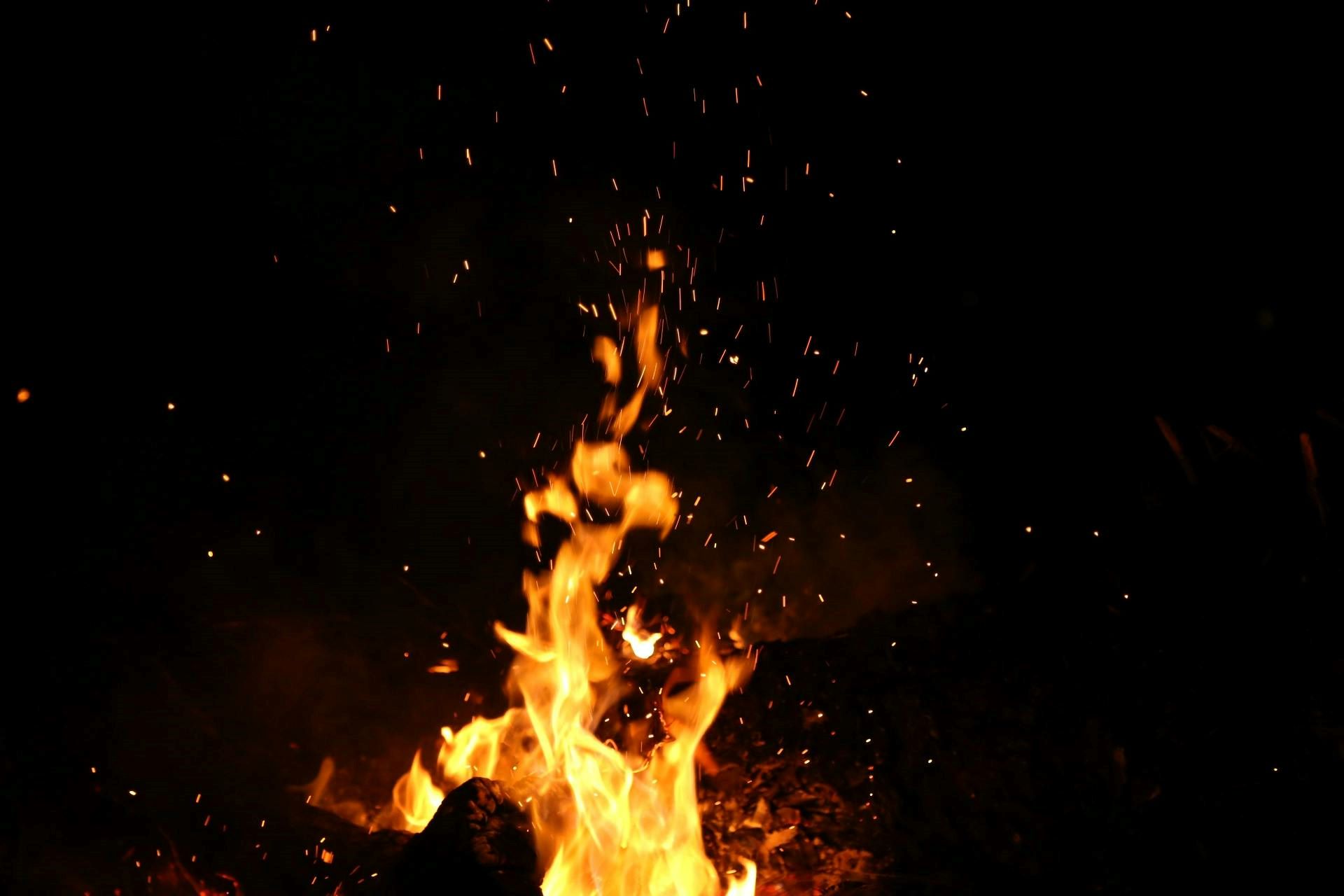
Fire is not only an event; it is a slow conversation between heat and material. When flames pass through a building, they do more than scar the surface. They rewrite the internal behaviour of concrete, steel, timber and finishing layers in ways that are often invisible to the naked eye. In construction and maintenance practice within South Africa, post-fire structural assessment is therefore not about rushing to rebuild. It is about listening carefully to what the building still has to say.
Urban centres such as Johannesburg contain dense commercial and residential structures where fire incidents can cause cascading economic and safety risks. Because many buildings are expected to return to service after remediation, engineers and property owners must approach post-fire damage as a layered structural investigation rather than a cosmetic repair problem.
Fire damage behaves like erosion working from the inside out. Surface charring may appear dramatic, but the more dangerous effects hide deeper in the material matrix. Steel may lose tensile strength once it reaches critical temperature thresholds, while concrete can develop microcracks that silently grow under future loading cycles. Restoration decisions therefore depend on scientifically grounded testing rather than visual inspection alone.
Professional evaluation often aligns with guidance standards from the South African Bureau of Standards, which provides frameworks for material safety, structural performance and rehabilitation compliance.
How Fire Weakens Structural Materials in Layers
Fire damage is rarely uniform. Buildings are composite organisms made of multiple material “skins”, each responding differently to thermal stress.
Concrete is commonly perceived as fire resistant, but prolonged heat exposure changes its internal chemistry. When temperatures rise above approximately 300°C, moisture trapped inside concrete can convert into steam pressure. This process may produce surface spalling where chunks of protective concrete detach, exposing reinforcement bars to oxidation.
Reinforced steel behaves differently. Steel does not burn, but it loses stiffness and load-bearing capability as temperature increases. Around 550°C, structural steel may experience significant yield strength reduction. After cooling, steel that was once ductile can become brittle or permanently deformed depending on cooling speed and structural restraint conditions.
Timber structures present a paradoxical behaviour. The outer char layer formed during fire exposure can sometimes act as a thermal shield, slowing further combustion penetration. However, once structural timber sections lose cross-sectional thickness due to charring, their load distribution capacity diminishes.
The layered nature of fire damage means that outward appearance is an unreliable indicator of structural safety. A building that looks stable may harbour hidden mechanical fatigue waiting for the next heavy rainstorm, vibration event or occupant load surge.
Post-Fire Testing: Reading the Building’s Quiet Language
After a fire incident, structural engineers conduct a sequence of diagnostic procedures. The objective is to determine whether the building can be restored, requires partial reconstruction, or must be demolished.
Non-destructive testing methods are usually the first step. Techniques such as ultrasonic pulse velocity testing help identify internal cracks in concrete without damaging the structure further. Rebound hammer testing may also be used to estimate surface hardness and material uniformity.
In South African construction practice, environmental factors matter during assessment. Many regions experience strong thermal cycling between day and night, especially in inland provinces. These temperature swings can accelerate crack propagation in already weakened structural zones.
Moisture infiltration must also be evaluated. Firefighting operations often involve large volumes of water, and trapped moisture inside wall cavities can promote corrosion of reinforcement bars or encourage biological deterioration in secondary building components.
Electrical infrastructure should never be overlooked during post-fire evaluation. Wiring insulation may be compromised even if the conductor metal itself appears intact. Faulty electrical systems are one of the common causes of secondary fire incidents after initial restoration work.
Deciding Between Restoration and Reconstruction
The most difficult decision after structural fire damage is determining whether to repair or rebuild.
Restoration is usually preferred when the primary structural skeleton remains stable. This involves removing compromised materials, reinforcing weakened sections and reinstating protective coatings. For commercial property owners, restoration can significantly reduce downtime and insurance complications.
However, restoration is only viable when the building’s load-bearing framework passes safety thresholds. If fire exposure has altered foundation behaviour, or if critical support columns show irreversible thermal deformation, reconstruction becomes the safer long-term investment.
Insurance assessment processes in South Africa often rely on engineering reports that quantify remaining structural life expectancy rather than simply listing damaged components.
Cost analysis also plays a major role. Sometimes restoration expenses approach 70% of replacement cost once specialised labour, certification procedures and safety upgrades are included. Property stakeholders must therefore evaluate future operational value rather than short-term repair price.
Concrete Repair Strategies After Fire Exposure
When concrete elements remain structurally viable, rehabilitation work begins with surface preparation.
Loose or spalled concrete must be removed until sound material is reached. This process is sometimes compared to peeling an onion to reach the fresh, unburned layers beneath.
After cleaning, corrosion protection for reinforcement steel becomes essential. Epoxy-based coatings or cementitious repair mortars are commonly applied to restore durability. In coastal regions of South Africa, where atmospheric salt content can accelerate corrosion, protective sealing becomes even more critical.
Structural strengthening may involve fibre reinforcement systems. Fibre wrapping techniques distribute tensile stress more evenly across damaged zones, allowing structures to regain part of their original mechanical performance without full replacement.
Quality control during repair work is vital. Poorly mixed repair compounds can create new weak interfaces inside the structural body. Maintenance contractors must follow manufacturer specifications and local engineering standards.
Steel Frame Assessment and Rehabilitation
Steel structures require careful thermal history analysis.
If steel members were exposed to temperatures that exceeded design limits, engineers must evaluate whether plastic deformation occurred. Bent or warped beams are usually considered structurally compromised because metal fatigue tends to propagate around deformation zones.
Cold straightening of steel members is sometimes performed, but only when deformation levels are minor. Aggressive mechanical correction can introduce microfractures that later grow under vibration loads.
In multi-storey commercial properties, fire protection reapplication is often necessary after repair. Intumescent coatings that expand under heat are widely used to improve future fire resistance.
Electrical and Service System Restoration
Fire damage rarely respects disciplinary boundaries. Electrical, plumbing and mechanical systems can all be affected simultaneously.
Wiring harnesses should be replaced rather than repaired if insulation integrity is uncertain. Junction boxes that were exposed to heat must be inspected for contact oxidation and melting deformation.
Air conditioning and ventilation systems also require assessment. Smoke particles can infiltrate duct networks, creating long-term indoor air quality issues if not professionally cleaned.
In public infrastructure projects across Johannesburg, restoration contractors often follow multi-stage commissioning protocols before buildings are reopened for occupancy.
Foundation Performance After Fire Events
Foundations are rarely directly burned, yet they may still be affected indirectly.
Heat can alter soil moisture content around building bases. In clay-rich soil regions of South Africa, moisture changes may lead to differential settlement once firefighting water penetrates ground layers.
Engineers sometimes conduct settlement monitoring after fire incidents, especially for heavy industrial structures. Survey markers are installed to detect slow movement that might indicate foundation stress redistribution.
Human Safety Compliance and Regulatory Approval
Before a building is returned to use, compliance certification is required.
Post-restoration inspections typically verify escape route integrity, fire compartmentation walls, alarm system functionality and emergency lighting performance.
Standards guidance from the South African Bureau of Standards helps ensure that restored structures meet minimum safety expectations for public occupancy.
Occupational safety officers may also review building ventilation behaviour to reduce smoke accumulation risk in future incidents.
The Psychological Aftermath of Fire Damage
Fire is not only a structural problem; it is also an emotional event for occupants.
Tenants returning to a restored building may associate burned spaces with trauma or uncertainty. Property managers therefore sometimes invest in interior refurbishment beyond structural repair, even when not strictly required for safety.
Fresh paint, improved lighting design and modernised finishes help transform the narrative of the space from destruction to renewal.
Preventive Design for Future Fire Resistance
Post-fire reconstruction offers an opportunity to improve building resilience.
Modern construction practice in South Africa increasingly incorporates compartmentalised fire zoning, automatic suppression systems and heat-resistant material selection.
Regular maintenance inspections should include checking fire doors, sprinkler lines and electrical panel cleanliness. Small preventative investments are far less expensive than large-scale post-disaster reconstruction.
From Damage Understanding to Structural Renewal
Fire damage speaks in slow, layered echoes rather than loud immediate destruction. The real danger often hides beneath charred surfaces and apparently stable walls. Structural assessment after fire exposure is therefore a scientific dialogue between engineering measurement and material behaviour.
In the South African construction landscape, responsible restoration balances safety, cost efficiency and long-term property value. Whether a building stands in the commercial heart of Johannesburg or serves residential communities elsewhere, the guiding principle remains constant: a structure should return to service only when its strength has been honestly verified.
Fire may reshape buildings, but careful assessment and skilled restoration can allow architecture to rise again with quiet, resilient dignity.