
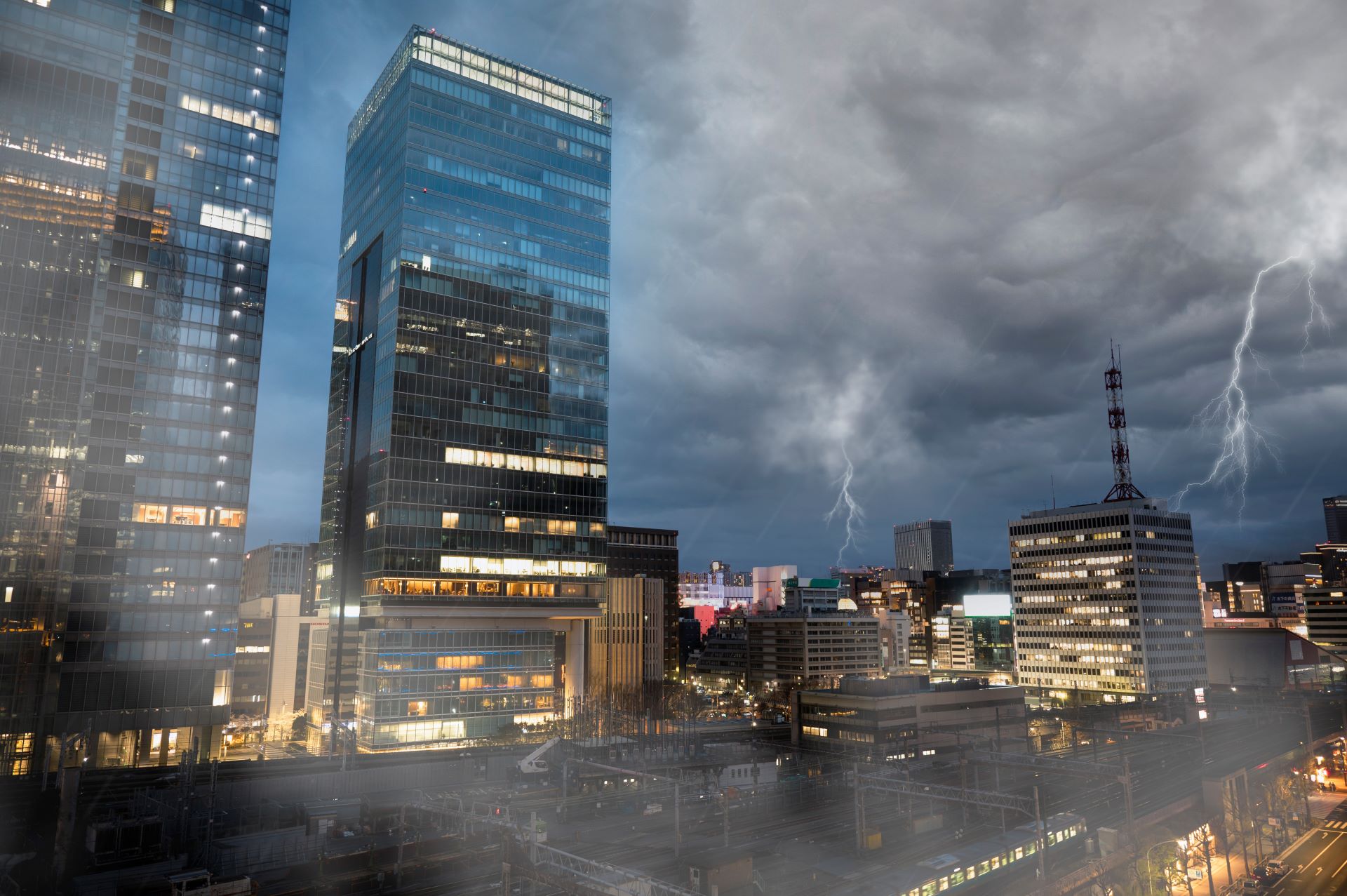
Managing Extreme Weather on South African Construction Sites
Understanding Extreme Weather in South Africa
Construction sites across South Africa face a unique climate spectrum. From searing summer heat in the Highveld and Karoo regions to sudden thunderstorms along the coastal belt, weather patterns can drastically affect site safety, workforce productivity, and project timelines. Heatwaves can push temperatures past 40°C, while winter storms bring heavy rain, high winds, and unpredictable floods. Understanding the regional climate trends is the first step in preparing for weather-related disruptions.
South African construction companies must navigate both microclimates within urban developments and more exposed rural sites. High winds on elevated sites can endanger scaffolding and cranes, while intense rain events can trigger soil erosion, waterlogging, and even structural instability for foundations. Each weather type carries unique risks that demand proactive management strategies.
Heatwaves: Protecting Workers and Maintaining Productivity
Extended periods of extreme heat are becoming more frequent in South Africa, particularly during summer months in Gauteng, Mpumalanga, and Limpopo. For construction teams, heatwaves can cause dehydration, heatstroke, and reduced concentration, increasing the likelihood of accidents.
To manage heat effectively, construction managers prioritize hydration stations across the site and encourage frequent rest breaks in shaded areas. Scheduling physically demanding tasks for cooler parts of the day, such as early morning or late afternoon, helps mitigate exposure. Lightweight, breathable uniforms and personal protective equipment (PPE) designed for heat are also essential.
Monitoring weather forecasts closely allows teams to adjust work schedules in advance. Advanced planning includes contingency measures, like temporary shelters, misting stations, and rotational shifts, to ensure worker safety while minimizing delays.
Storm Preparedness: Securing Equipment and Materials
Storms, particularly during the summer rainy season, present significant risks. Lightning, high winds, and torrential rain can damage machinery, compromise structural integrity, and create hazardous working conditions.
Construction managers implement a robust storm preparedness protocol. Equipment and materials are secured or moved to sheltered areas to prevent damage. Temporary structures, scaffolding, and cranes are inspected and reinforced before predicted storms. Electrical systems and power tools are disconnected and stored safely.
Sites also maintain clear communication plans, ensuring that all personnel receive real-time weather updates and instructions. Evacuation protocols and emergency shelters are critical components, particularly for sites near rivers or areas prone to flash floods.
Heavy Rain and Flood Management
Heavy rain poses a unique challenge for South African sites, especially in low-lying areas and regions with clay-rich soils. Prolonged rainfall can result in waterlogged foundations, slowed excavation work, and logistical disruptions, such as blocked access roads and delivery delays.
Site managers employ strategic water management techniques. Temporary drainage channels, pumps, and sandbagging help divert water away from critical areas. Soil stabilization measures, such as geotextiles and compacted layers, reduce erosion and prevent mud hazards. In addition, scheduling flexibility allows teams to adjust timelines for tasks like concrete pouring, which can be compromised by excess moisture.
Communication with suppliers and subcontractors is essential to ensure materials arrive on time, even during adverse conditions. Maintaining a proactive contingency plan can reduce costly delays and ensure compliance with safety regulations.
Safety Protocols for Extreme Weather
Worker safety is always the top priority. Construction sites enforce strict safety protocols tailored to extreme weather conditions. High-visibility PPE is combined with thermal or waterproof gear as appropriate. On-site first aid facilities are prepared for heatstroke, hypothermia, or injuries caused by storm debris.
Daily safety briefings include updates on weather forecasts and site-specific risk assessments. Supervisors monitor workers for signs of fatigue, dehydration, or stress, adjusting workloads to prevent accidents. Additionally, heavy machinery operation is restricted or halted in extreme wind or flooding conditions to avoid potential mishaps.
Technology and Forecasting Tools
Modern technology plays a crucial role in extreme weather management. South African construction companies leverage weather monitoring apps, predictive analytics, and early warning systems to anticipate risks. Real-time weather data can trigger automated alerts to managers, allowing rapid adjustments to site activities.
Drones and remote sensors provide ongoing assessments of site conditions, such as water accumulation or structural shifts, reducing the need for personnel exposure to hazardous areas. Digital scheduling software helps project managers reorganize tasks and resource allocation in response to sudden weather events, keeping projects on track despite disruptions.
Project Planning and Schedule Management
Extreme weather management is inseparable from effective project planning. Construction managers incorporate climate risk assessments into project timelines, accounting for seasonal patterns and historical weather data. Contingency buffers are built into schedules to absorb delays caused by storms, heatwaves, or excessive rainfall.
Material delivery schedules are staggered to minimize exposure, and critical tasks like structural work, roofing, or excavation are timed for the most favorable conditions. Contract clauses with subcontractors often include flexibility for weather-related delays, reducing financial and legal risks while maintaining collaborative relationships.
Case Studies: Successful Weather Management
Several South African construction projects have demonstrated effective extreme weather planning. Urban developments in Cape Town, which frequently experience summer storms, employ stormwater management systems integrated into the site design. In Gauteng, high-rise projects incorporate heat mitigation strategies, including reflective materials and scheduled shift rotations, to maintain worker productivity.
These examples illustrate that proactive preparation, combined with flexible scheduling and worker-focused safety protocols, can dramatically reduce the impact of adverse weather on project outcomes.
Regulatory Compliance and Industry Standards
Compliance with South African occupational health and safety regulations is critical. The Construction Regulations under the Occupational Health and Safety Act require that sites assess hazards, implement protective measures, and maintain worker welfare standards. Extreme weather events are explicitly addressed through risk assessments, emergency procedures, and training programs.
Adhering to these standards not only ensures legal compliance but also reduces insurance liabilities and strengthens a company’s reputation. Regular audits and inspections validate that extreme weather protocols are effectively integrated into site operations.
Training and Workforce Preparedness
Training is key to building resilience against extreme weather. Workers are educated on recognizing early signs of heat stress, safe handling during storms, and flood risk mitigation techniques. Supervisors are trained in emergency response and decision-making under unpredictable conditions.
Ongoing drills and simulations reinforce preparedness, ensuring that staff remain confident and capable in the face of severe weather. This proactive approach helps maintain morale and productivity while safeguarding both personnel and assets.
Environmental and Sustainability Considerations
Extreme weather management intersects with environmental responsibility. Stormwater runoff, soil erosion, and waste management must be addressed sustainably. Temporary water retention systems, sediment barriers, and eco-friendly drainage solutions not only protect the site but also minimize environmental impact.
By integrating sustainability into extreme weather planning, construction companies contribute to long-term resilience and align with green building practices increasingly demanded by clients and regulators.
Future Trends in Extreme Weather Management
As climate change continues to affect South Africa, extreme weather events are expected to become more frequent and severe. Construction companies are investing in more sophisticated forecasting tools, advanced protective materials, and innovative construction techniques.
Emerging trends include the use of modular structures, weather-resilient materials, and AI-driven project management systems. By embracing these innovations, South African construction firms can better anticipate challenges and maintain efficiency, safety, and profitability.
Extreme weather is an unavoidable reality for construction sites across South Africa. Heatwaves, storms, and heavy rainfall pose threats to safety, productivity, and project timelines. The most successful construction companies approach these challenges with a combination of proactive planning, safety-focused protocols, advanced technology, and adaptive project management.
By prioritizing worker welfare, implementing practical mitigation strategies, and maintaining regulatory compliance, construction sites can minimize weather-related disruptions. Embracing innovation and sustainable practices ensures that projects remain on schedule and within budget, even when nature doesn’t play along. Effective extreme weather management isn’t just about surviving the storm—it’s about building resilience into every stage of the construction process.