
Construction Material Choices for South African Climate
Construction Material Choices for South African Climate
South Africa does not offer a single, uniform building environment. It presents a shifting tapestry of heat-scorched inland regions, moisture-heavy coastal belts, and high-UV exposure across most provinces. These variations place distinct demands on construction materials, often exposing weaknesses that would remain hidden in milder climates.
Material selection, therefore, is not a cosmetic or cost-driven decision alone. It is a structural and environmental negotiation between what is built and where it is built. The success or failure of a structure in Johannesburg, Durban, or Cape Town often hinges on whether its materials were chosen with climate intelligence in mind.
This article explores how heat, UV radiation, and humidity shape material performance in South African construction and building maintenance, and why climate-responsive selection is essential for long-term resilience.
The South African Climate Challenge in Construction
South Africa’s climate is defined less by extremes in a single direction and more by competing stressors acting simultaneously. Inland regions such as Gauteng experience intense solar radiation combined with temperature swings between day and night. Coastal cities like Durban and Cape Town face persistent humidity, salt-laden air, and corrosive wind patterns.
These conditions accelerate material fatigue in different ways. Expansion and contraction cycles weaken rigid assemblies. UV exposure degrades polymers and protective coatings. Moisture ingress promotes corrosion, rot, and biological growth. When materials are not aligned with these stressors, maintenance cycles shorten dramatically.
Construction in this context becomes less about permanence and more about managed durability.
Heat Exposure and Thermal Expansion Stress
Heat is one of the most underestimated forces acting on buildings in South Africa. While it does not always cause immediate visible damage, it silently influences material deformation, joint failure, and surface degradation.
Concrete, for example, expands under heat load. In large slabs or structural elements, this expansion can introduce micro-cracking if expansion joints are insufficient or poorly placed. Steel framing systems behave similarly, with thermal movement affecting bolt tension and joint stability.
Roofing systems are particularly vulnerable. Metal sheeting, common in industrial and residential construction, absorbs and transfers heat rapidly. Without proper thermal breaks or reflective coatings, interior spaces experience heat gain, increasing energy consumption and accelerating material fatigue.
Materials that perform well under South African heat conditions typically share a few traits:
- Controlled thermal expansion rates
- High reflectivity or emissivity balance
- Compatibility with expansion joints and flexible sealants
The goal is not to eliminate heat exposure but to accommodate it through intelligent design.
UV Radiation and Surface Degradation
South Africa’s UV index remains consistently high across most regions. This has a direct and often visible impact on exposed construction materials, especially polymers, paints, sealants, and composite finishes.
UV radiation breaks down chemical bonds in many synthetic materials. Over time, this leads to chalking, fading, brittleness, and surface cracking. Paint systems that are not UV-stabilised degrade rapidly, exposing underlying substrates to secondary damage such as moisture ingress.
Plastic piping, roofing membranes, and façade cladding are particularly sensitive. Inadequate UV resistance results in embrittlement, which can lead to sudden failure rather than gradual wear.
To counteract UV-driven deterioration, construction materials must incorporate stabilisers, protective coatings, or inherently resistant compositions. Epoxy systems, UV-stable polyurethanes, and mineral-based finishes tend to perform more reliably in high-exposure environments.
In architectural terms, UV resistance is not merely aesthetic preservation. It is a structural safeguard that extends service life and reduces lifecycle maintenance costs.
Humidity, Moisture, and Coastal Exposure
Humidity is one of the most persistent environmental pressures in South African construction, especially along the eastern and southern coastal regions. Unlike visible rainfall events, humidity operates continuously, infiltrating micro-pores in materials and accelerating chemical reactions such as oxidation.
Steel reinforcement in concrete structures is particularly vulnerable when moisture penetrates protective layers. Once corrosion begins, expansion forces within rusted steel can cause concrete spalling, a serious structural concern.
Timber elements also respond strongly to humidity cycles. Expansion, contraction, and fungal growth become ongoing risks if wood is not properly treated or ventilated.
Coastal environments introduce an additional challenge: salt. Salt particles carried by wind settle on surfaces and attract moisture, creating a corrosive film that intensifies steel degradation and accelerates coating breakdown.
Materials suited for high-humidity environments generally require:
- Corrosion resistance or protective barrier systems
- Low porosity or sealed surfaces
- Maintenance-friendly coating renewability
In many cases, material longevity in coastal South Africa depends more on protective systems than on the base material itself.
Concrete Performance in South African Conditions
Concrete remains one of the most widely used construction materials in South Africa due to its strength, availability, and adaptability. However, its performance is highly dependent on environmental exposure and mix design quality.
In hot inland climates, rapid moisture loss during curing can compromise structural integrity if not properly managed. This leads to shrinkage cracks and reduced compressive strength. In humid coastal areas, chloride ingress becomes a primary concern, particularly in reinforced concrete structures.
Admixtures and mix adjustments play a crucial role in enhancing concrete durability. Reduced permeability mixes, supplementary cementitious materials, and proper curing practices significantly improve long-term performance.
Waterproofing systems also form an essential part of concrete durability strategy. Without protective membranes or coatings, even high-quality concrete can deteriorate prematurely under South African environmental stressors.
Steel Structures and Corrosion Management
Steel is both a backbone and a vulnerability in South African construction. Its strength-to-weight ratio makes it ideal for structural frameworks, but its susceptibility to corrosion demands careful environmental consideration.
In inland dry regions, steel performs relatively well when protected from moisture. However, in coastal zones, corrosion rates increase significantly due to airborne salts and humidity. Once corrosion begins, it spreads beneath protective coatings, often unnoticed until structural integrity is compromised.
Protective strategies include galvanisation, epoxy coatings, and regular maintenance cycles. Zinc-rich primers are especially effective because they provide sacrificial protection, slowing down oxidation even when surface damage occurs.
Design also plays a role in corrosion management. Poor drainage, water traps, and inaccessible joints create conditions where moisture accumulates, accelerating deterioration.
In South African conditions, steel durability is less about material choice and more about system design and ongoing maintenance discipline.
Timber in Heat and Humidity Cycles
Timber continues to be used in both structural and finishing applications, particularly in residential construction and architectural detailing. However, its performance is highly dependent on environmental control.
In humid coastal regions, untreated timber is vulnerable to fungal growth, swelling, and insect infestation. In hot inland climates, rapid drying can cause cracking and warping.
Treatment processes such as pressure impregnation, sealing, and protective coatings extend timber lifespan significantly. However, maintenance remains essential, as UV exposure and moisture cycles gradually degrade protective layers.
Engineered wood products offer improved stability, but they are not immune to environmental stress. Proper installation, ventilation, and protective detailing remain critical to long-term performance.
Roofing Systems Under Environmental Stress
Roofing systems in South Africa face a combination of UV exposure, heat expansion, wind load, and in coastal areas, salt corrosion. This makes roofing one of the most maintenance-intensive components of any structure.
Metal roofing is widely used due to its durability and cost efficiency, but without reflective coatings or insulation layers, it can contribute significantly to heat gain. Tile roofing offers better thermal mass but introduces weight and installation complexity.
Waterproofing membranes and sealants are critical in flat roofing systems, particularly in commercial construction. These materials must withstand UV degradation while maintaining flexibility under thermal movement.
The performance of roofing systems is often determined by installation quality as much as material selection. Poor fastening, inadequate overlap, or insufficient sealing can undermine even high-grade materials.
Coatings, Sealants, and Protective Layers
In South African construction, coatings and sealants are not optional enhancements. They are primary defence systems against environmental degradation.
Paint systems must resist UV breakdown while maintaining adhesion under thermal expansion cycles. Epoxy coatings are widely used in industrial environments due to their chemical resistance and durability, while acrylic systems offer flexibility and UV stability for exterior applications.
Sealants in joints and interfaces must accommodate movement while preventing moisture ingress. Silicone and polyurethane-based systems are commonly used due to their elasticity and resistance to environmental breakdown.
Maintenance cycles for coatings vary significantly depending on exposure. Coastal buildings often require more frequent repainting and resealing compared to inland structures.
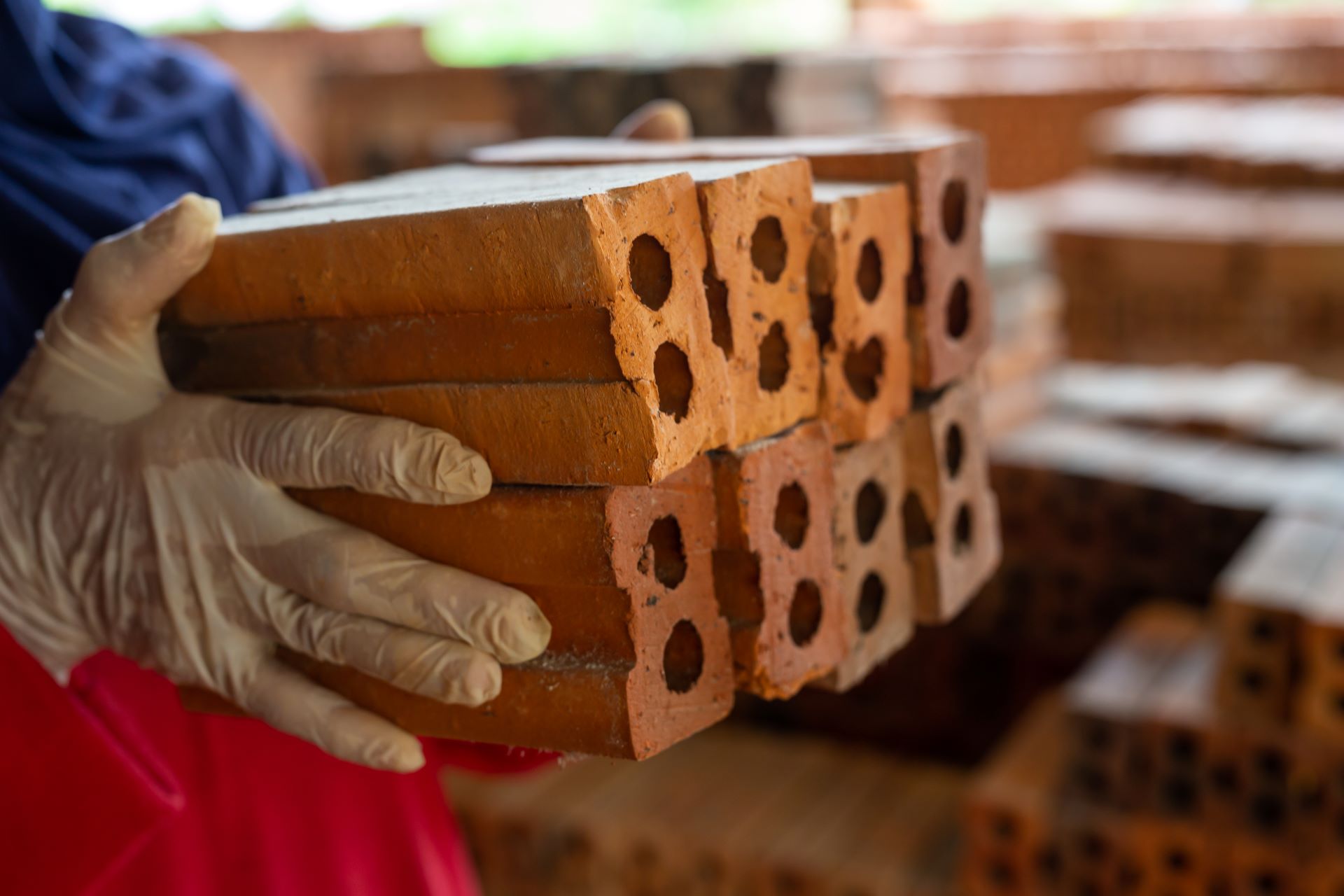
Masonry and Brickwork Durability
Brick and block construction remains a staple of South African building practice due to its thermal performance and structural reliability. However, even masonry is not immune to environmental stress.
In humid regions, efflorescence can occur when salts migrate to the surface through moisture movement. While often cosmetic, it can indicate deeper moisture management issues. In hot climates, mortar joints may experience accelerated drying, leading to shrinkage and cracking.
Proper mortar selection, damp-proofing, and drainage detailing are essential to maintain masonry integrity. Surface sealing can also reduce moisture penetration, although it must be balanced with breathability to avoid trapped moisture.
Insulation and Thermal Performance Materials
Insulation is increasingly important in South African construction as energy efficiency and occupant comfort become priorities. Materials must address both heat gain in summer and heat retention in winter.
Rigid foam boards, fibreglass, and reflective foil insulation systems are commonly used. Each performs differently depending on installation quality and environmental exposure.
Reflective insulation is particularly effective in reducing radiant heat transfer in roof spaces, which is critical in high UV regions. However, its effectiveness depends on correct air gap installation and reflective surface integrity.
Moisture resistance is also important, particularly in coastal environments where insulation materials can degrade if exposed to persistent humidity.
Waterproofing Systems and Moisture Barriers
Waterproofing is a critical discipline in South African building maintenance due to seasonal rainfall intensity and coastal humidity. Failures in waterproofing systems often lead to cascading structural issues.
Membrane systems, liquid-applied coatings, and cementitious waterproofing solutions are widely used across different construction types. Each system has strengths depending on substrate type and exposure conditions.
Key failure points typically occur at joints, penetrations, and transitions between materials. Proper detailing is therefore as important as product selection.
In maintenance terms, waterproofing systems require periodic inspection and renewal to remain effective, particularly in high-exposure environments.
Maintenance Cycles and Lifecycle Planning
Material performance in South African conditions is closely tied to maintenance discipline. Even high-quality materials degrade if maintenance cycles are ignored or delayed.
Buildings in coastal environments typically require more frequent inspection schedules due to accelerated corrosion and moisture exposure. Inland buildings may have longer intervals but still require monitoring for UV and thermal stress effects.
Lifecycle planning should account for:
- Coating renewal intervals
- Sealant replacement cycles
- Corrosion inspection schedules
- Moisture intrusion assessments
Maintenance is not a corrective action alone. It is an integral extension of material selection strategy.
Designing for Environmental Resilience
The most successful construction projects in South Africa are those that integrate environmental awareness into material selection from the earliest design stages.
This involves more than choosing stronger materials. It requires understanding how heat, UV radiation, and humidity interact with structural systems over time. Design decisions such as shading, ventilation, drainage, and orientation all influence material performance.
A resilient building is not one that resists change indefinitely. It is one that absorbs environmental pressure without losing functional integrity.
South Africa’s diverse climate demands a construction philosophy rooted in adaptation rather than assumption. Materials that perform well in one region may degrade rapidly in another if environmental conditions are not considered.
Heat, UV radiation, and humidity are not isolated forces. They operate together, shaping the lifecycle of every structural component. From concrete foundations to rooftop coatings, each material must be selected with a clear understanding of its environmental context.
In the end, construction success in South Africa is measured not only by how a building stands on completion, but how it weathers time, climate, and exposure.```